Best Home Security Alarm System Without Subscription
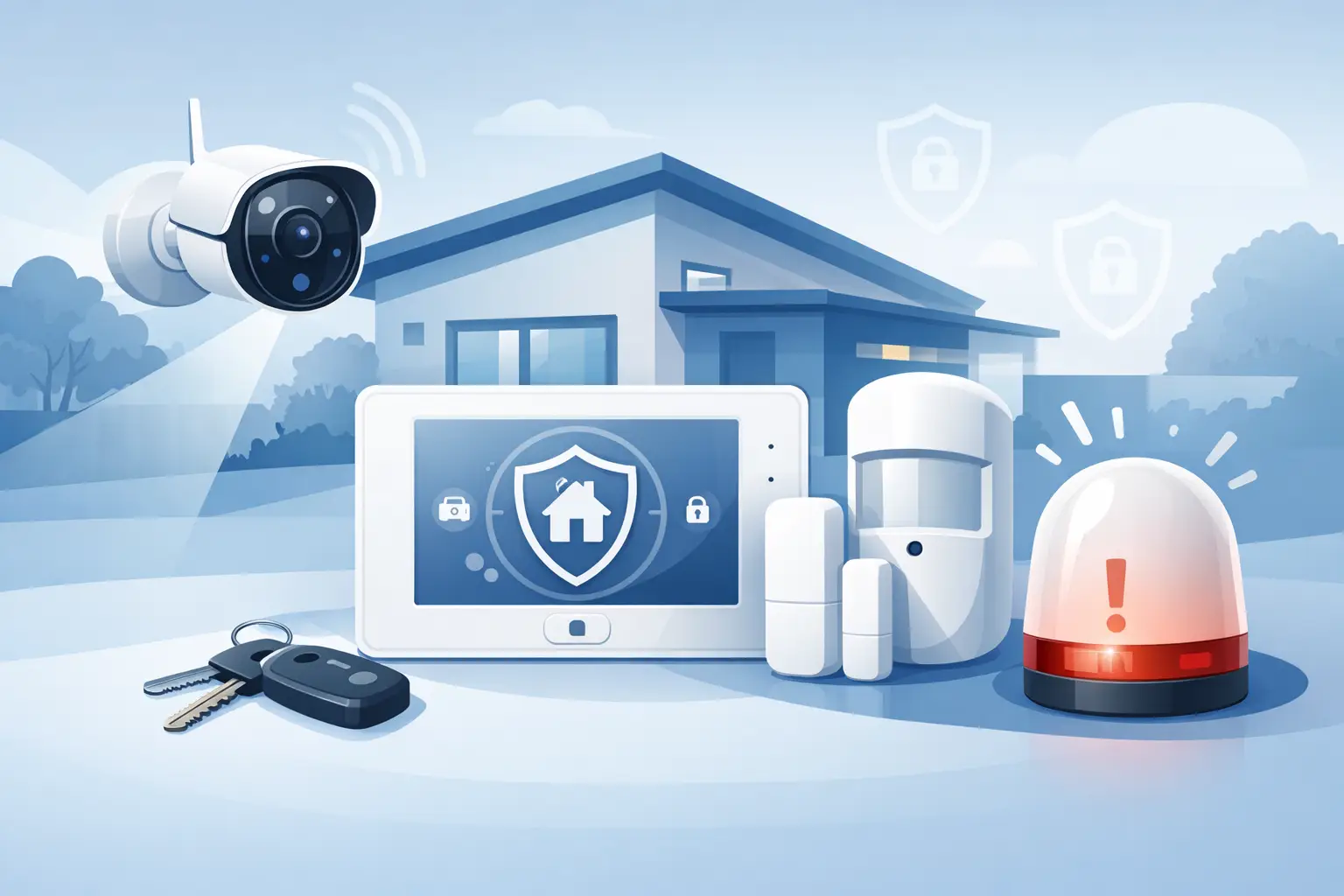
A home alarm should make your space feel more protected, not add another monthly bill to your budget. The best home security alarm system without subscription gives you control over your equipment, alerts, and smart home setup while keeping recurring costs at zero. For homeowners, renters, families, and anyone building a more connected home, that can be a seriously smart upgrade.
The right no-fee system is not always the one with the biggest siren or the longest feature list. It is the one that covers the areas that matter, works reliably on your home network, and is simple enough that you will actually use it every day.
What a No-Subscription Alarm System Really Means
A no-subscription home security system generally lets you buy the hardware upfront and use its core functions without a mandatory monthly monitoring plan. Depending on the system, those functions may include app alerts, a keypad or remote, door and window sensors, motion detection, a built-in siren, and local video storage.
That does not mean every feature is free forever. Some brands reserve cloud video history, professional monitoring, cellular backup, or advanced AI alerts for paid plans. The key difference is choice. You can still arm your system, receive notifications, and respond to an alarm yourself without being locked into a recurring service fee.
For many households, self-monitoring is enough. If a door sensor opens while you are at work, your phone gets an alert. You can check a connected camera, call a neighbor, or contact local emergency services if the situation looks serious. It puts you in the driver’s seat.
Best Home Security Alarm System Without Subscription: Features That Matter
Shopping by price alone can leave gaps in your setup. A low-cost starter kit can be a great value, but only if it has the devices and connectivity your home actually needs. Start with coverage, then compare the features that make that coverage useful.
Reliable door and window sensors
Entry sensors are the foundation of most alarm systems. Place them on exterior doors, accessible windows, garage doors, and any side entrance that is easy to overlook. Look for sensors that provide clear open-and-close status in the app, not just an alarm when the system is armed.
A good starter system should let you add more sensors later. A one-bedroom apartment may need only a few, while a larger home can require a much wider network of protection.
Motion detection with flexible settings
Motion sensors add another layer when an intruder gets past an entry point. They work especially well in hallways, main living areas, and routes leading toward bedrooms or home offices.
If you have pets, choose adjustable motion detection or pet-friendly settings. No one wants a 15-pound dog turning a quiet evening into a false-alarm event. Placement matters too: avoid aiming sensors at sunny windows, moving ceiling fans, or heating vents that can create inconsistent readings.
A loud siren and clear app alerts
A siren is designed to draw attention, discourage someone from staying inside, and alert people nearby. Check whether the hub includes a built-in siren and whether you can add an extra indoor or outdoor siren for a larger property.
Your app experience matters just as much. Instant push alerts, shared access for trusted family members, arm and disarm controls, and event history can make a simple alarm system feel far more useful. Choose an app that is easy to understand at a glance, especially when you are away from home.
Cameras that support your security plan
An alarm system can tell you something happened. A camera can help show you what happened. Pairing entry sensors with indoor cameras, outdoor cameras, or a video doorbell creates a more complete view of your property.
For subscription-free use, look closely at storage options. Local storage through a memory card, hub, or compatible recorder can help avoid cloud fees. The trade-off is that you may need to manage recordings yourself, and storage capacity can be limited. If you want long video history stored offsite, a cloud plan may still be worth considering.
Battery backup and connection options
Most DIY systems use Wi-Fi, which is convenient for app control and quick installation. But Wi-Fi-only alarms have a limitation: if your power or internet goes out, some remote features may stop working.
A battery backup can keep the hub and sensors operating during a power outage. Cellular backup can add another layer of protection, but it often requires a paid plan. Decide based on your location, how often outages happen, and whether you are comfortable relying on self-monitoring through Wi-Fi.
Choose a System for Your Space, Not Someone Else’s
The best setup for a downtown apartment is different from the best setup for a detached home with a garage, driveway, and several entry points. Start by walking through your space as if you were arriving home for the first time. Which doors get used? Which windows are hidden from the street? Where would motion be most likely to occur?
For renters, wireless sensors and peel-and-stick installation are usually the easiest route. You can protect a front door, patio door, and key windows without drilling into walls or rewiring anything. A portable system can also move with you when your lease ends.
For homeowners, expandability is often more valuable than buying the largest kit right away. Begin with a central hub, keypad, entry sensors, and one motion detector. Add outdoor cameras, a smart lock, garage protection, smoke alarms, or water leak sensors as your needs grow. This creates a connected home security setup that feels tailored instead of cluttered.
Installation Tips That Make a Big Difference
DIY home security is designed to be accessible, but a few installation choices can determine how well it performs. Put the main hub in a central indoor location where it can maintain a solid connection to your Wi-Fi network. Keep it away from large metal objects, thick concrete walls, and crowded electronics cabinets when possible.
Test every sensor before you rely on it. Open each protected door and window, walk through motion zones, trigger the panic function if your system has one, and confirm that alerts reach every shared user. Set up notification permissions on your phone so security alerts are not buried under shopping, social media, or work notifications.
Use naming that makes sense in the moment. “Back patio door” is much more useful than “Sensor 04” when an alert arrives at 2 a.m. Small details like this make the system faster to understand when time matters.
The Trade-Off: Self-Monitoring vs. Professional Monitoring
Skipping a subscription saves money and gives you more flexibility, but it also makes you responsible for responding to alerts. If you travel frequently, work in places where you cannot check your phone, or care for someone who may not be able to react quickly, professional monitoring can offer extra peace of mind.
There is no universal answer. Self-monitoring is often ideal for shoppers who want affordable protection, live in a low-risk area, or want cameras and smart alerts without a contract. Professional monitoring may make more sense for larger homes, frequent travelers, or households that want a monitoring center ready to contact emergency responders.
A hybrid approach can also work well. Build your home around subscription-free alarm hardware, local video storage, smart lighting, and a video doorbell. Then decide later whether paid monitoring or cloud recording is worth adding. Your security setup should adapt to your lifestyle, not force you into features you do not need.
Build a Smarter Everyday Security Routine
An alarm system is strongest when it becomes part of your routine. Arm it before bed, check that doors are secured when leaving, and make sure everyone in the household knows how to disarm it safely. Smart locks, cameras, and lighting can add useful layers without making your home feel complicated.
At GetTechShift, home technology is about more than gadgets. It is about creating a space that feels safer, more convenient, and ready for whatever your day brings. Choose the features that fit your home now, leave room to expand, and let your security system work quietly in the background while you get on with life.