Top 10 Best Smart Home Devices to Buy
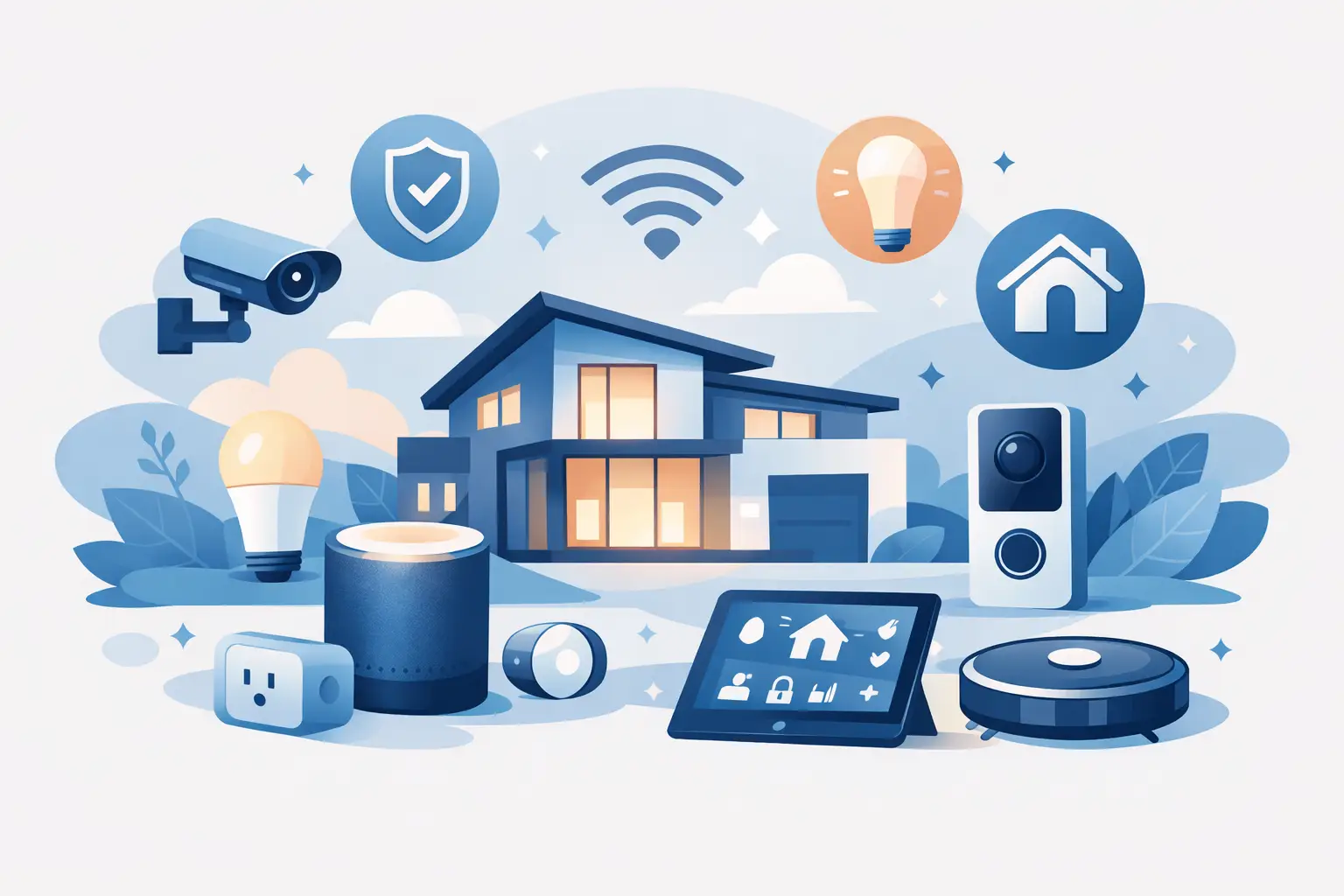
A smarter home usually starts with one small upgrade – then suddenly your lights, locks, cameras, and kitchen gadgets all work harder for you. If you’re shopping for the top 10 best smart home devices, the real goal is not to fill your space with random tech. It is to choose products that make daily life easier, safer, and a lot more convenient.
The best smart home setup should feel useful on day one. You should be able to check who is at the door from your phone, turn off lights without getting out of bed, or keep an eye on indoor air quality while you work, cook, or relax. That is where smart devices earn their place. They save time, add peace of mind, and bring a modern edge to everyday routines.
What makes a smart home device worth buying?
Not every connected product deserves space in your home. Some devices look impressive on a product page but end up being too complicated, too limited, or too dependent on one app ecosystem. The best picks combine easy setup, dependable performance, and features that actually fit real life.
For most shoppers, the sweet spot is simple. Look for app control, useful automation, strong compatibility with common voice assistants, and a clear everyday benefit. A smart device should solve a small problem repeatedly. That matters more than flashy extras you will never use.
Price also matters. A higher price can bring better build quality, clearer video, or faster response times, but the most expensive option is not always the smartest buy. Renters may want peel-and-stick or portable devices, while homeowners may be more open to permanent upgrades like locks, wired cameras, or integrated alarm systems.
Top 10 best smart home devices for modern living
1. Video doorbells
A video doorbell is one of the fastest ways to make your home feel more connected and more secure. You get live video, motion alerts, two-way audio, and a quick way to see deliveries or visitors without opening the door.
This is especially useful for busy households, people who travel, and anyone who gets frequent packages. The trade-off is that some models work best with a paid cloud plan, so it is worth checking whether local storage or subscription-free recording is available.
2. Smart locks
Smart locks bring convenience that you notice every day. Instead of fumbling for keys, you can unlock your door with an app, keypad, fingerprint reader, or voice assistant, depending on the model.
They are a strong fit for families, short-term guests, and anyone who wants more control over home access. Some locks are easier to install than others, though, and renters should confirm whether the unit can be installed without replacing the full deadbolt.
3. Indoor security cameras
Indoor cameras are popular for good reason. They let you check in on pets, kids, caregivers, or specific rooms when you are away. Many newer models include motion detection, night vision, app alerts, and two-way audio.
Placement matters here. A camera in the right room can be a major help, but too many can feel intrusive. The best approach is targeted use, such as entry points, nurseries, or shared spaces where visibility matters most.
4. Outdoor surveillance cameras
Outdoor cameras do the heavy lifting when it comes to property awareness. They help you monitor driveways, porches, garages, and backyards with features like weather resistance, motion alerts, floodlights, and wide-angle video.
If security is your top priority, this category deserves serious attention. Battery-powered versions are easier to install, while wired versions are often better for nonstop recording and fewer charging interruptions.
5. Smart alarm systems
A smart alarm system gives you a bigger layer of protection than a single camera or lock. These systems can combine sensors for doors, windows, glass breaks, and motion with app-based arming, alerts, and optional sirens.
They work well for both apartments and full-size homes because many kits are modular. You can start small and expand over time. Just make sure the system fits your layout and check whether professional monitoring is optional or required.
6. Smart lighting
Smart bulbs, light strips, and smart switches are some of the easiest upgrades to add. They let you schedule lights, adjust brightness, change color on select models, and control rooms from your phone or by voice.
Lighting is where smart tech starts to feel fun as well as practical. You can set warm light for evenings, brighter light for work hours, or automatic schedules that make the house look occupied. The only catch is that bulbs and switches are not always interchangeable for every home, so compatibility with your fixtures matters.
7. Smart plugs
Smart plugs are the quiet overachievers of the category. Plug one into a standard outlet, connect a lamp, coffee maker, fan, or small appliance, and suddenly that everyday item becomes app-controlled.
They are affordable, beginner-friendly, and great for people who want smart home convenience without replacing major hardware. They do have limits, though. They are best for simple on-and-off control, not appliances that require manual restarting or advanced settings after power is restored.
8. Smart thermostats
A smart thermostat can make a noticeable difference in comfort and energy use. It learns your schedule or lets you build one, so heating and cooling adjust more efficiently throughout the day.
For homeowners, this can be one of the most practical long-term upgrades. Renters may need landlord approval, and older HVAC systems are not always compatible, so it pays to confirm system requirements before buying.
9. Smart air purifiers
Air purifiers have moved from wellness extra to everyday essential for many households. Smart versions add app control, filter status tracking, auto modes, and air quality monitoring that responds in real time.
This category works especially well for families, pet owners, allergy sufferers, and anyone trying to create a cleaner-feeling home environment. The main thing to watch is room coverage. A sleek purifier will not do much if it is undersized for the space.
10. Smart kitchen appliances
The kitchen is becoming one of the most interesting zones in the connected home. From smart blenders and coffee makers to countertop appliances with app controls or programmable settings, these products save time and reduce guesswork.
Not every kitchen gadget needs WiFi, and that is the honest trade-off. But when a feature truly improves convenience – preset programs, remote start prep, maintenance alerts, or tighter control over timing – it can make busy mornings and weeknight routines feel a lot easier.
How to choose from the top 10 best smart home devices
The right order depends on what matters most in your home. If you care about protection first, start with a video doorbell, smart lock, outdoor camera, or alarm system. If your goal is comfort and convenience, smart lighting, plugs, a thermostat, or an air purifier may give you more immediate value.
It also helps to think room by room. Your front door may need visibility and secure access. Your bedroom may benefit from lighting automation. Your living room may be a better place for a smart plug or indoor camera. Your kitchen may be where connected appliances save the most time.
Try not to overbuild too fast. A lot of shoppers get better results by starting with two or three devices that solve obvious daily frustrations, then expanding once they know which app platforms and features they actually like using.
Smart home shopping tips before you buy
Compatibility should be high on your checklist. If you already use Alexa, Google Home, or another platform, choose devices that fit that setup. Mixing too many ecosystems can make your smart home feel less convenient instead of more.
Installation is another factor people underestimate. Battery-powered and plug-in products are usually the quickest wins. Hardwired devices may offer more consistency, but they can require more effort or professional help.
You should also think about subscriptions, storage, and notifications. Some security products are excellent without monthly fees, while others need a plan to access video history or advanced alerts. Neither approach is automatically better, but it is worth knowing the full cost before checkout.
For shoppers who want a modern, connected lifestyle without getting overly technical, the best smart home devices are the ones that blend into your routine and keep delivering value. That could mean better security, smoother mornings, cleaner air, or fewer little tasks to think about. Start with the device that solves the problem you notice most often, and the rest of your smart home can grow from there.