Benefits of Home Security Systems for Modern Living
A package lands at your door while you are at work. Your child gets home before you do. You leave for a weekend trip and suddenly wonder whether you remembered to lock the back door. These are everyday moments where the benefits of home security systems become practical, not abstract. The right setup gives you a clearer view of what is happening around your home and more control over how you respond.
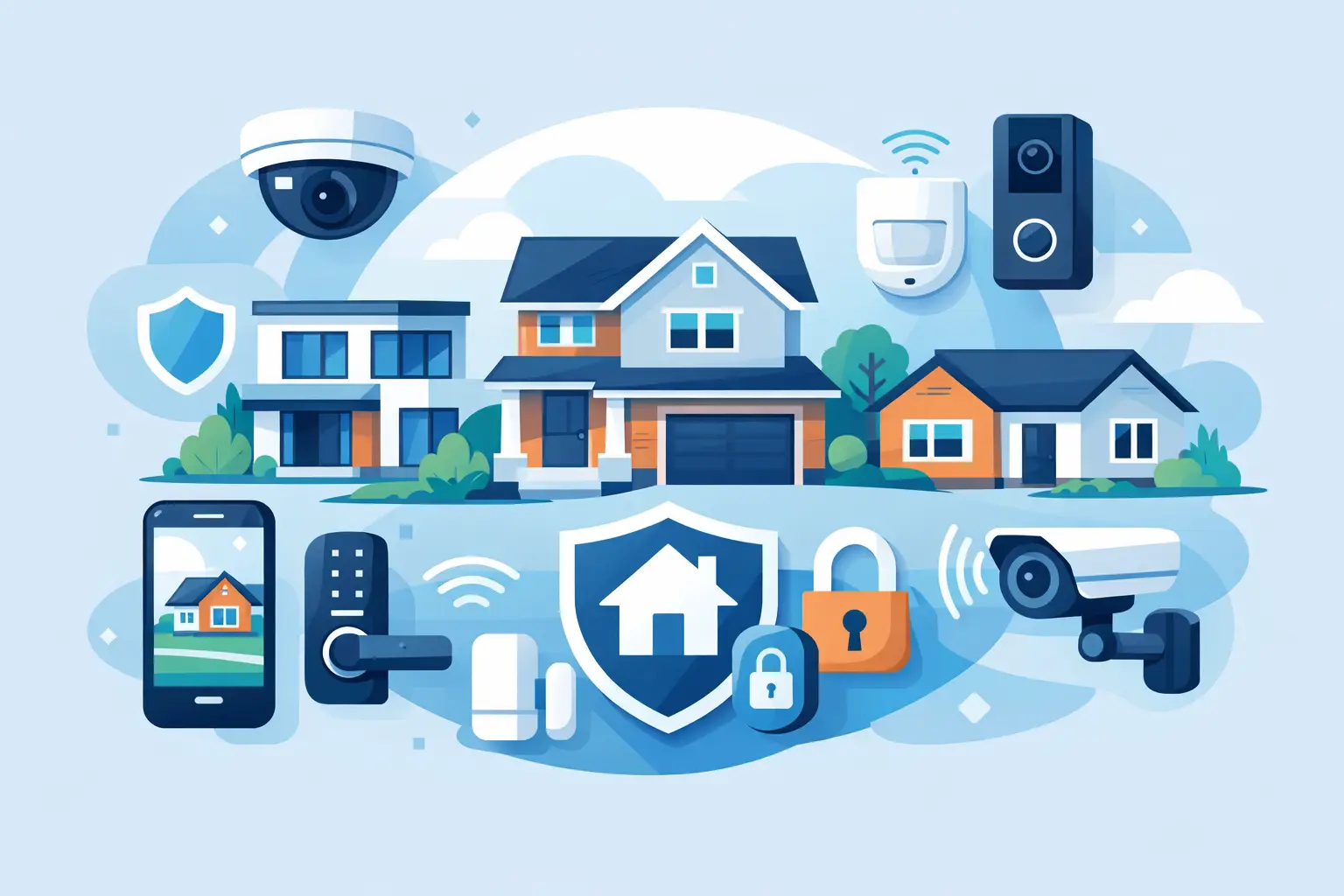
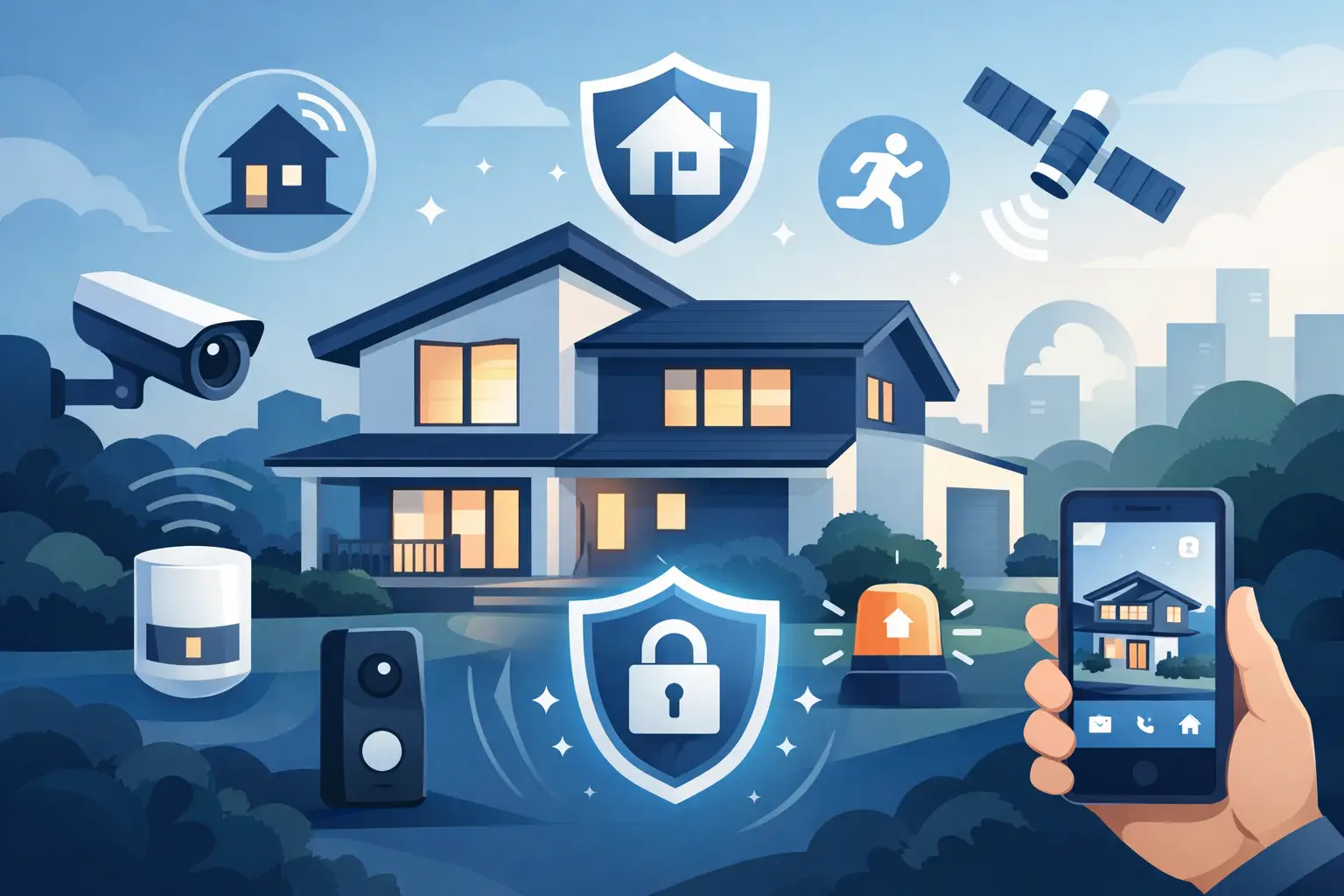
For modern households, security is no longer limited to a loud alarm panel near the front entry. Smart cameras, video doorbells, connected locks, motion sensors, and app-based alerts can work together to make home protection feel more convenient and more personal. The goal is not to turn your home into a fortress. It is to make everyday living feel easier, more informed, and better protected.
Benefits of Home Security Systems Beyond the Alarm
A home security system can discourage unwanted activity, but its value reaches far beyond deterrence. It helps you monitor the moments that matter, automate simple routines, and stay connected to your space whether you are across town or across the country.
See what is happening in real time
One of the biggest advantages is visibility. A video doorbell can show you who is at the front door, while indoor and outdoor security cameras let you check key areas from your phone. That can be useful when a delivery arrives, a contractor stops by, or a neighbor needs access to your home while you are away.
Live viewing is only part of the picture. Many smart cameras offer motion alerts, night vision, two-way audio, and event recording. Instead of discovering a problem hours later, you can receive a notification when activity is detected and decide whether it needs attention. For busy families, renters, and frequent travelers, that awareness can be more valuable than constant worry.
Camera placement matters. An outdoor camera aimed at a driveway or entry can cover a high-traffic zone, while an indoor camera may be better for checking on pets, elderly relatives, or a specific room. More cameras are not always better. Start with the areas where visibility would genuinely help you.
Create a stronger deterrent at entry points
Visible security equipment can make a home less appealing to someone looking for an easy opportunity. A video doorbell, exterior camera, window sensor, or monitored alarm system signals that activity may be noticed and recorded. That does not guarantee every incident will be prevented, but it can add a meaningful layer of friction.
Smart locks add another level of control at the door. Rather than hiding a spare key or wondering who still has a copy, you can manage access through codes, temporary credentials, or app controls, depending on the model. This is especially useful for dog walkers, house cleaners, visiting relatives, and short-term guests.
Convenience should not replace good habits. A smart lock is most effective when paired with strong account passwords, two-factor authentication where available, and regular reviews of who has access. Technology can make security simpler, but it still benefits from thoughtful setup.
Get alerts that fit your routine
Traditional alarms were designed to make noise. Smart home security systems can do more by sending information directly to the device already in your hand. A door opening, motion event, camera detection, smoke alarm, or water leak sensor can trigger an alert so you can respond quickly.
That speed matters in many situations. If a sensor flags a garage door left open, you may be able to close it remotely. If a camera notices motion near the porch, you can check the live feed before deciding what to do. If a leak sensor detects water under a sink, catching it early could limit damage and repair costs.
The trade-off is notification fatigue. A camera that sends an alert every time a car passes or a tree moves in the wind will quickly become easy to ignore. Look for adjustable motion zones, person detection, sensitivity controls, and scheduling features. The best alerts are useful enough that you will actually pay attention to them.
Home Security Can Support Everyday Convenience
Security tech earns its place when it makes normal routines smoother. A connected home can bring together protection, access, and automation without asking you to become a tech expert.
Check in on people, pets, and deliveries
Many homeowners buy a camera for security and end up using it just as often for everyday check-ins. You can see whether the kids arrived home, confirm a package was delivered, or talk to a visitor through two-way audio. Indoor cameras can also help pet owners check on a dog during a long workday.
Use these features with care, especially in shared spaces. Everyone in the household should understand where cameras are placed and why. Avoid recording private areas, and be clear with guests or caregivers when a camera is in use. Smart home technology should support trust, not create discomfort.
Control access without the key shuffle
A smart lock can be a practical upgrade for households that regularly coordinate access. Instead of meeting someone to hand over a key, you may be able to assign a unique code and remove it when it is no longer needed. Some systems can also lock automatically after a set time or notify you when the door is unlocked.
This feature is not ideal for every door or every living situation. Renters should check lease rules before changing hardware, and older doors may need an adapter or professional installation. Battery-powered locks also need occasional maintenance, so keep an eye on battery alerts and maintain a backup entry method.
Connect security with the rest of your smart home
Home security can work alongside lights, plugs, sensors, and voice controls to create useful routines. For example, a door sensor could trigger an entry light at night, or a smart light could turn on when an outdoor camera detects motion. Small automations can make a home feel more responsive while adding a visible sign that the space is active.
Compatibility is worth checking before you buy. Not every device works with every app, smart display, or voice assistant. If you already use a preferred smart home platform, choosing products that fit that ecosystem can make control much simpler.
Choosing the Right Security Setup for Your Home
The best system depends on your home layout, budget, comfort level, and the type of information you want at your fingertips. A one-bedroom apartment may only need a video doorbell and an indoor camera. A larger home may benefit from exterior cameras, door and window sensors, smart locks, and a central alarm hub.
Start by walking through your home as if you were arriving for the first time. Which entry points are easiest to reach? Where do packages sit? Is there a side gate, garage, or back door that gets less attention? Those answers help you prioritize devices instead of buying features you will not use.
Think about power and connectivity, too. Wired cameras can offer consistent power but may require more installation work. Battery-powered cameras are flexible and renter-friendly, though they need recharging. WiFi devices are convenient, but their performance depends on signal strength near the installation area. If the signal is weak at the far end of your property, a camera may not deliver the reliable view you expect.
Storage is another decision. Some products save recordings locally, while others offer cloud storage plans. Local storage can reduce recurring costs, but capacity and access vary by device. Cloud storage may make it easier to review and share footage, though it can involve a monthly fee. Read the details before checking out so the total ownership cost matches your budget.
Professional monitoring is also optional, not mandatory. Self-monitored systems send notifications to you, allowing you to decide whether to contact emergency services. Professionally monitored systems may alert a monitoring center when an alarm is triggered. The right choice depends on how often you are away, how quickly you can respond, and whether a monthly service fee feels worthwhile.
A Smarter Way to Build Peace of Mind
The strongest home security plan combines useful technology with simple habits. Lock doors and windows, keep device software updated, use unique passwords, and test alarms or sensors periodically. If your system includes cameras, clean the lenses and confirm that night views are not blocked by glare, plants, or porch decorations.
It is also smart to set expectations before an emergency happens. Decide who should receive alerts, who can access the app, and what actions make sense for different situations. A motion notification may only require a quick camera check. A confirmed break-in, fire alert, or carbon monoxide alarm calls for a more immediate response according to your local emergency guidance.
At GetTechShift, home security belongs in the same conversation as smart lighting, connected appliances, and the everyday gadgets that make a home work better. Start with the device that solves your most frequent concern, whether that is seeing the front door, managing keys, or watching an entryway. A thoughtful first upgrade can make your home feel more connected from the moment you use it.