Home Security Cameras and Alarm Systems That Fit
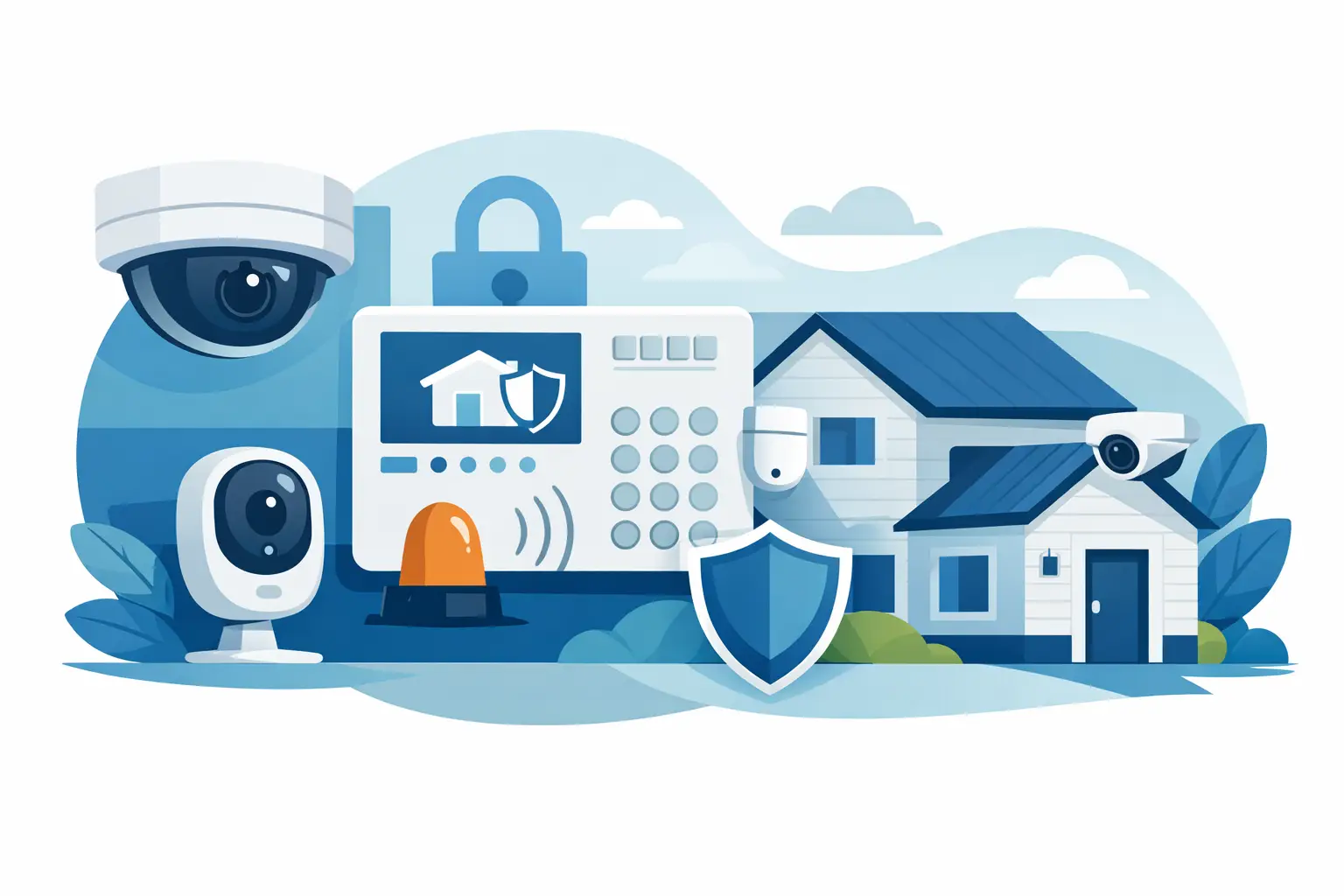
A package at the front door, kids arriving home from school, a late-night motion alert from the backyard – these are the everyday moments when home security cameras and alarm systems can make a real difference. The right setup helps you check in, respond faster, and feel more connected to the place that matters most. It does not need to look like a complicated control room, either. Today’s smart security tech is built for real homes, real schedules, and simple app-based control.
Start With the Protection You Actually Need
The best security setup is not always the one with the most devices. It is the one that covers your home’s weak points without creating a stream of alerts you start ignoring after a week.
For many apartments, condos, and smaller homes, a video doorbell and one indoor camera may be enough to cover entry activity and the main living space. A larger home may benefit from cameras at the front door, driveway, backyard, and side gate, paired with door and window sensors. Think through how people, deliveries, and vehicles move around your property before deciding where technology belongs.
Your daily routine matters, too. If you travel frequently, remote viewing and instant mobile alerts should be high on your list. If you have children, pets, or older family members at home, indoor cameras and easy arming controls can offer helpful visibility. Renters may prefer wireless devices that install with minimal drilling, while homeowners may want wider exterior coverage and more permanent placement.
Security should support your lifestyle, not add another chore to it.
Home Security Cameras and Alarm Systems: What Each Does
Cameras and alarms work best together, but they solve different problems. A camera lets you see what is happening. An alarm system is designed to alert you, deter intruders, and call attention to an unwanted entry or unusual event.
A camera can show you whether the motion near your porch is a delivery driver, a neighbor, or something worth investigating. Features such as live video, two-way audio, night vision, motion detection, and app notifications make that information available from your phone. Some models offer person detection or tracking features that help reduce alerts caused by passing cars, moving branches, or neighborhood cats.
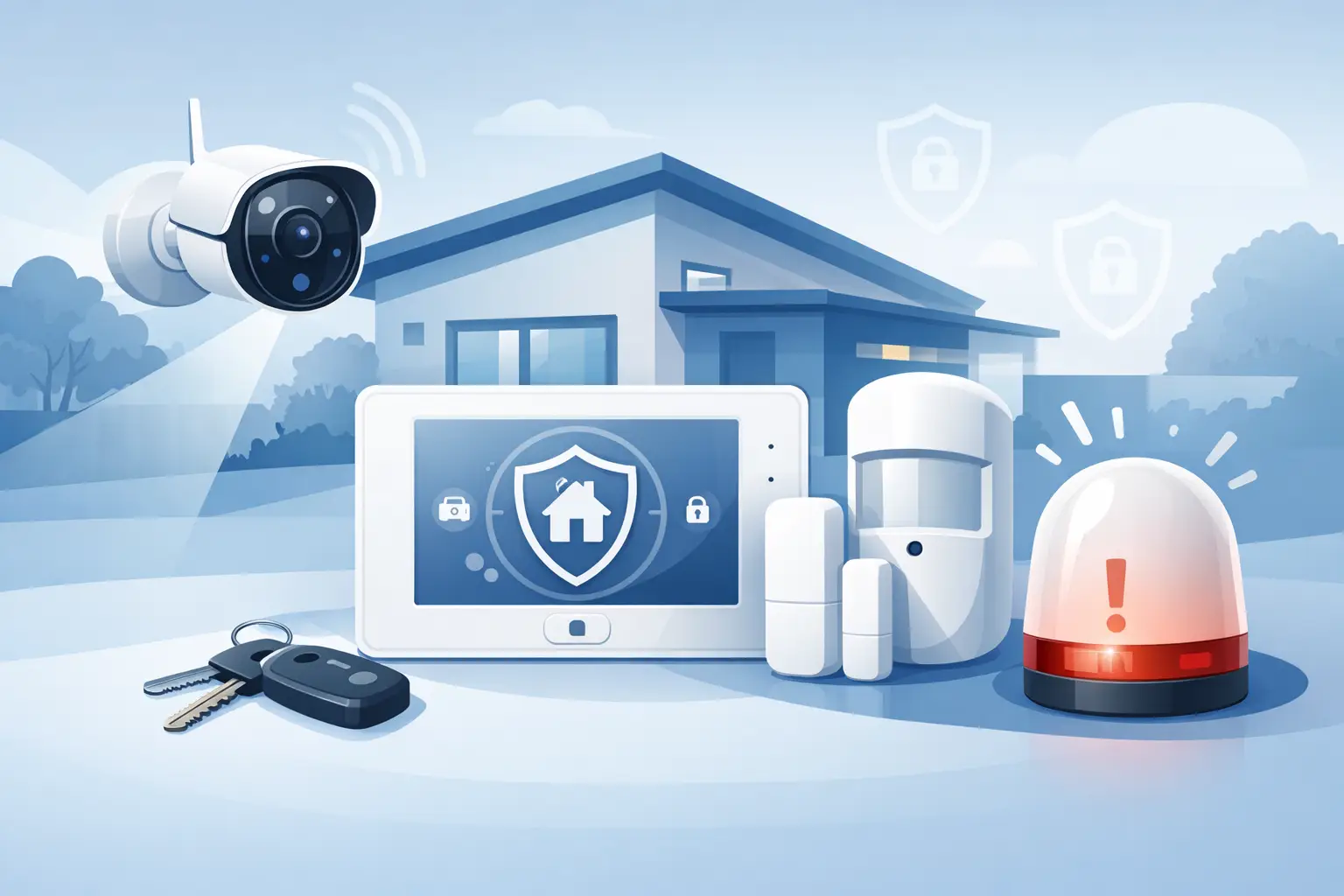
An alarm system uses components such as door and window sensors, motion detectors, keypads, sirens, and remote controls. When a sensor is triggered while the system is armed, it can sound an audible alarm and send an alert through a connected app. Depending on the system and service plan you choose, it may also support professional monitoring.
Neither category replaces the other. Cameras provide context, while alarms create an immediate response. A visible outdoor camera can discourage suspicious behavior before it escalates. A loud siren can make it clear that someone has been detected. Together, they create a smarter layer of awareness around your home.
Choose Cameras by Location, Not Just Features
A camera with a long feature list is only useful if it works where you need it. Start with the environment.
At the front door
A video doorbell is often the most practical first purchase. It helps you see visitors, speak to delivery drivers, and review activity near packages. Look for a view wide enough to capture both faces and the area near the doorstep. Two-way audio is especially useful when you are working, traveling, or simply do not want to open the door.
Around the exterior
Outdoor cameras need weather resistance, reliable night vision, and a placement strategy that avoids blind spots. Mount them high enough to make tampering harder, but low enough to capture useful facial detail. Focus on primary entry points, garages, driveways, rear doors, and gates before covering every inch of the yard.
A wider field of view can cover more space, but it may make distant details look smaller. Pan-and-tilt models can help with larger areas, while fixed cameras are often easier to position for one key path or doorway.
Inside the home
Indoor cameras can help you check on pets, children, caregivers, or a second entry point. Privacy matters here. Position cameras in shared spaces rather than bedrooms or bathrooms, and make sure everyone in your household understands when cameras are active. Privacy modes, physical lens covers, and scheduled operation can make indoor monitoring feel more comfortable.
Wired, Wireless, Battery, or Solar?
There is no single best power option. The right choice depends on your home, your Wi-Fi coverage, and how much maintenance you are willing to handle.
Wired cameras are often a strong fit for permanent exterior locations because they do not need battery charging. Installation can take more effort, especially if power outlets or existing wiring are limited. Wireless cameras are flexible and renter-friendly, but they still depend on a dependable Wi-Fi signal and, in some cases, periodic battery charging.
Battery-powered cameras are easy to place where wiring is inconvenient, such as a shed, fence line, or detached garage. Their trade-off is upkeep. High-traffic areas can trigger frequent recordings and drain batteries faster. Solar charging can reduce that maintenance in sunny locations, though weather, shade, and camera activity still affect performance.
Before buying, test your Wi-Fi signal near the places where cameras will go. A camera near the router may perform perfectly while a backyard device struggles to upload video. A Wi-Fi extender or mesh network can be a worthwhile home upgrade when coverage is inconsistent.
Build an Alarm System Around Your Entry Points
Alarm systems become more useful when sensors are placed with intention. Doors and ground-floor windows are often the first priorities. If your home has a sliding patio door, garage access door, basement window, or door from an attached garage, include those in your plan.
Motion detectors add another layer, particularly in hallways or large common areas. They are not always necessary in every room. In homes with pets, choose pet-aware motion sensors or position them where animals are less likely to trigger alerts. A system that goes off every time the dog walks through the living room is not protecting your peace of mind.
A keypad, key fob, app control, or voice-compatible smart home integration can make arming and disarming easier. The more natural the routine feels, the more likely everyone in the household will use it consistently. Consider setting a nightly reminder or creating an automation that arms the system at a chosen time.
Look Beyond the Hardware Specs
A great camera or alarm system should be easy to live with after installation day. Before choosing devices, pay attention to recording options, app controls, notification settings, and whether any features require a subscription.
Cloud storage can make it convenient to review clips from anywhere, but it may involve a recurring fee. Local storage can provide more control and avoid monthly costs, though available storage and remote access may vary by device. Some buyers prefer a mix: local recording for routine use and cloud backup for important events.
Notification controls matter more than many shoppers expect. Look for settings that let you adjust motion sensitivity, create activity zones, or filter alerts for people versus general movement. The goal is useful information, not a phone that buzzes every time a tree moves in the wind.
Also consider compatibility. If you already use smart lights, voice assistants, smart locks, or home automation accessories, security devices that work within the same routine can feel more convenient. For example, an entry alert might turn on a porch light, or a doorbell notification may let you check the front door without leaving the couch.
Make Smart Security a Visible Part of Your Home Plan
Security technology works best when it is paired with practical habits. Keep exterior lighting in good working order, avoid leaving spare keys in obvious places, and make sure outdoor cameras have a clear view instead of being blocked by plants or seasonal decorations. Update passwords, use strong account credentials, and enable two-factor authentication whenever it is available.
A visible camera may help discourage unwanted activity, but placement should remain thoughtful. Aim cameras at your property, not directly into a neighbor’s private space. If you are renting, check your lease terms before mounting exterior equipment or modifying door hardware.
The right setup can be as simple as a doorbell camera and a few sensors or as connected as a full smart-home security network. Shop based on the routines you want to protect, the spaces you want to see, and the controls you will actually use. A well-placed device that you check and trust is far more valuable than a complicated system that never becomes part of your everyday life.