Smart Home Automation Devices List
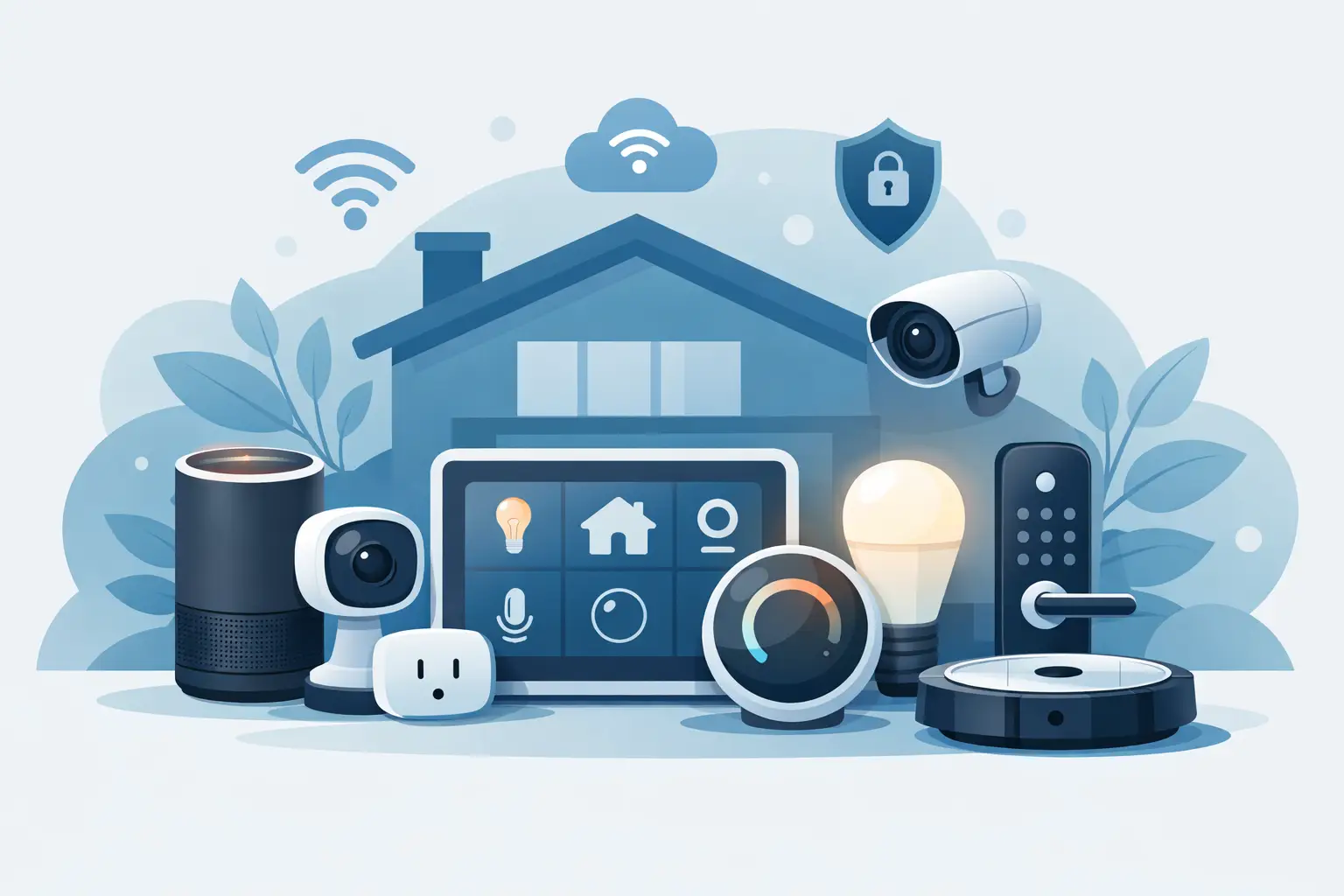
Picture this: your porch light turns on before you pull into the driveway, your front door locks itself at night, and your air purifier kicks in when indoor air quality drops. That is the real appeal behind a smart home automation devices list – not flashy tech for its own sake, but everyday upgrades that make your home feel easier, safer, and more connected.
For most shoppers, the challenge is not whether smart home gear is worth it. It is figuring out which devices actually fit real life. Some products save time. Some add peace of mind. Some are best if you own your place, while others work just as well for renters. The right setup depends on how you live, what you want to automate, and how simple you want the system to be.
Smart home automation devices list: where to start
If you are building your setup from scratch, start with the devices that give you an immediate payoff. Smart lighting is often the easiest first move. Smart bulbs, light strips, and smart plugs let you control lamps and fixtures from an app or voice assistant, but the real win is scheduling. Lights can turn on at sunset, switch off when you leave, or create a lived-in look while you are away.
Smart plugs deserve more attention than they usually get. They are one of the most affordable ways to make ordinary devices feel smarter. A coffee maker, fan, heater, or holiday lights can run on a schedule without replacing the product itself. That makes them ideal for shoppers who want convenience without committing to a full smart-home overhaul.
Smart speakers and displays are the control center for many homes. They tie together lights, plugs, cameras, and routines in one place. If you like voice control, these devices make the experience much more natural. If you do not, they still help by giving you a central dashboard for alerts, timers, video feeds, and device management.
Security devices that earn their place fast
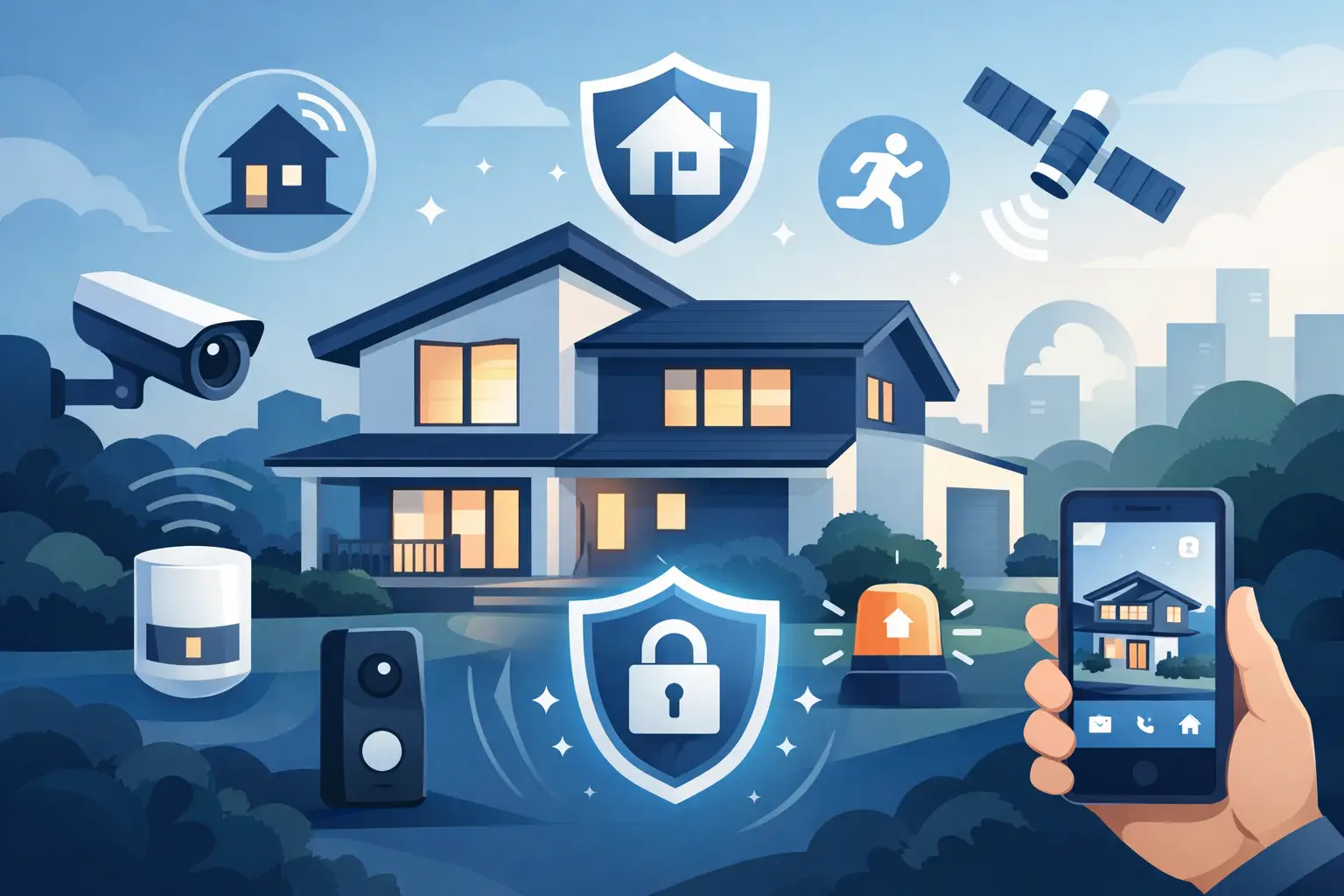
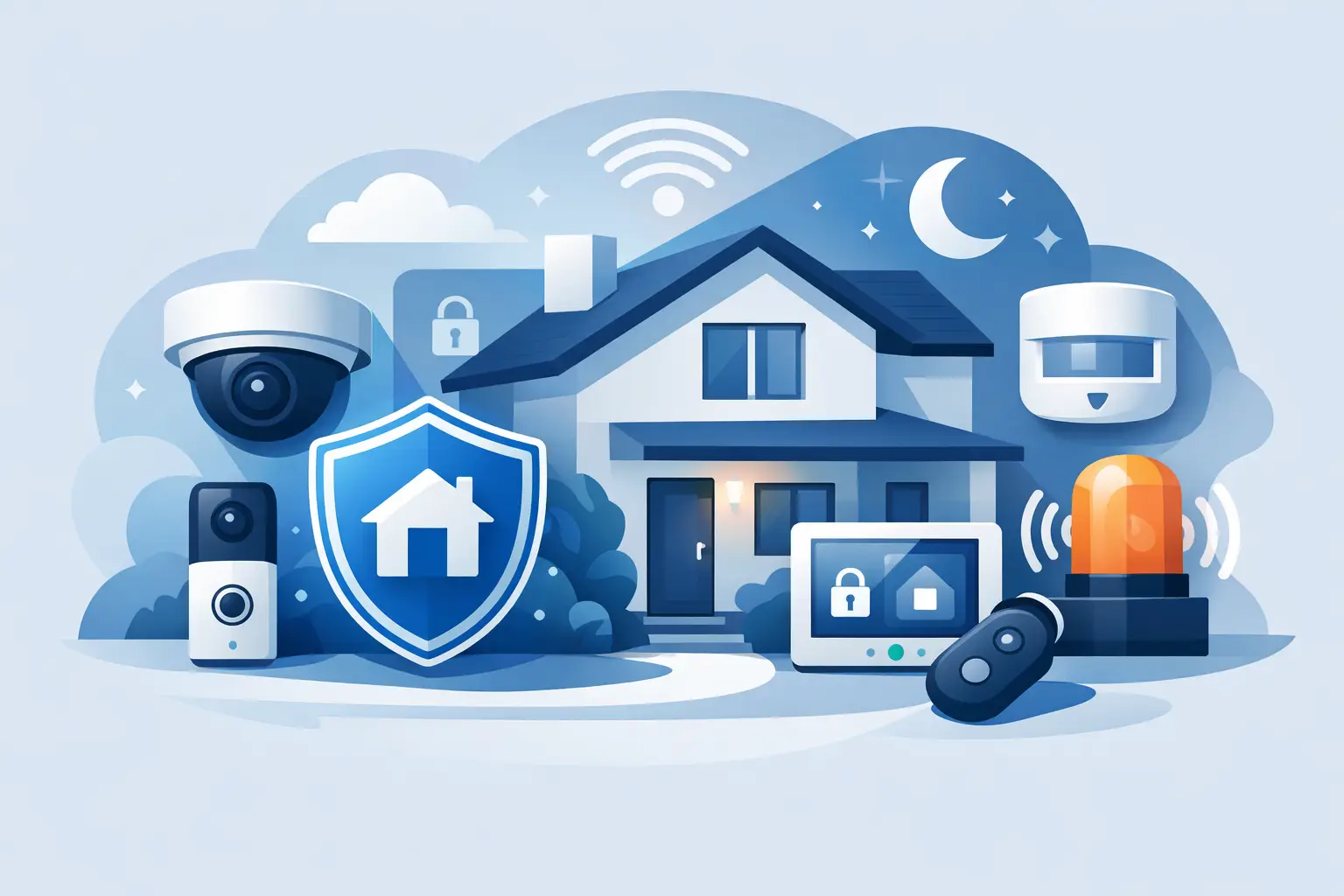
A lot of people come to home automation for convenience and end up staying for security. That makes sense. Security devices are some of the most practical smart upgrades you can buy because the value is obvious from day one.
Smart video doorbells are a strong example. They let you see deliveries, check visitors, and get motion alerts even when you are not home. For busy households, apartment dwellers, and anyone who shops online often, that extra visibility is useful in a very real way. The trade-off is that placement, WiFi strength, and subscription features can affect how much value you get.
Smart security cameras are another core category. Indoor cameras help with pets, kids, and interior monitoring. Outdoor cameras cover entry points, garages, and yards. Some shoppers want simple live viewing. Others care more about motion detection, night vision, two-way audio, or app alerts. The best choice depends on whether your priority is broad awareness or detailed event tracking.
Smart locks are one of the cleanest examples of lifestyle and security coming together. You can lock or unlock a door remotely, create temporary access codes, and check whether the door is secure without walking back to it. For families, frequent travelers, and anyone managing guests or service visits, that convenience adds up quickly. Still, not every door is equally compatible, and some renters may need options that avoid permanent changes.
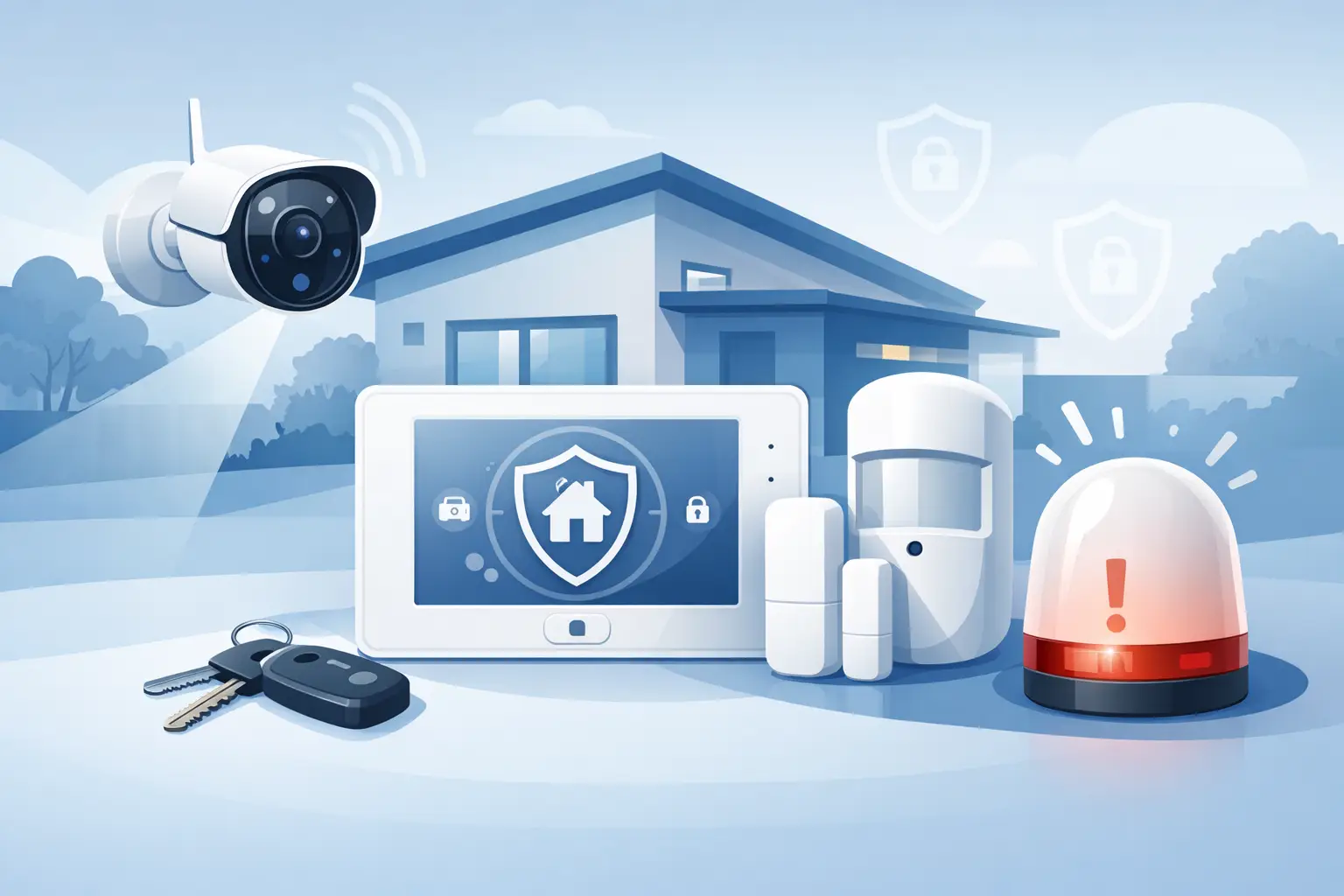
Smart alarm systems and sensors round out the picture. Door and window sensors, glass-break sensors, sirens, and motion detectors help create a more complete layer of protection. These are especially valuable if you want alerts that go beyond video footage. Cameras show you what happened. Sensors often tell you the moment something changes.
Climate and comfort devices worth considering
Not every smart device needs to look like security tech. Some of the best upgrades are the ones you stop noticing because they quietly improve daily comfort.
Smart thermostats are a strong pick for homes where heating and cooling drive up utility costs. They help automate temperature changes based on time, occupancy, or routines. If you keep forgetting to adjust the thermostat before leaving home, the benefit is immediate. That said, thermostat compatibility can get tricky in older homes, so checking your HVAC setup matters.
Smart air purifiers and smart fans are also becoming more attractive because they connect wellness with automation. Instead of running constantly, they can respond to schedules, air quality, or room use. That makes the home feel more responsive without requiring constant manual adjustments.
Motorized smart blinds and curtains push the experience further into lifestyle territory. They can open with morning routines, close during peak sun hours, and help with privacy at night. They are not essential for every home, but for shoppers who want their space to feel more modern and polished, they make a strong impact.
Kitchen and appliance automation that actually helps
A smart home is not just about your front door and hallway lights. It can also make daily routines run with less friction, especially in the kitchen and utility areas.
Smart kitchen appliances vary a lot in usefulness. Some are genuinely practical, while others feel more like novelty items. Connected coffee makers, countertop appliances, and compact kitchen gadgets can save steps if they fit your habits. If you are someone who likes preset routines and app control, they can be a fun upgrade. If you mostly want manual simplicity, you may not need every connected feature.
Smart mini fridges and compact home appliances appeal to shoppers who want tech that blends style and convenience. These products are often less about full automation and more about modern functionality. In a home office, bedroom, studio apartment, or entertainment area, that can still be a meaningful quality-of-life upgrade.
Robot vacuums are one of the most satisfying smart-home purchases when the layout is right. They are especially useful in homes with hard floors, pets, or daily foot traffic. But they are not perfect for every space. Homes with many floor transitions, cords, or cluttered layouts may need more hands-on prep than expected.
A practical smart home automation devices list by category
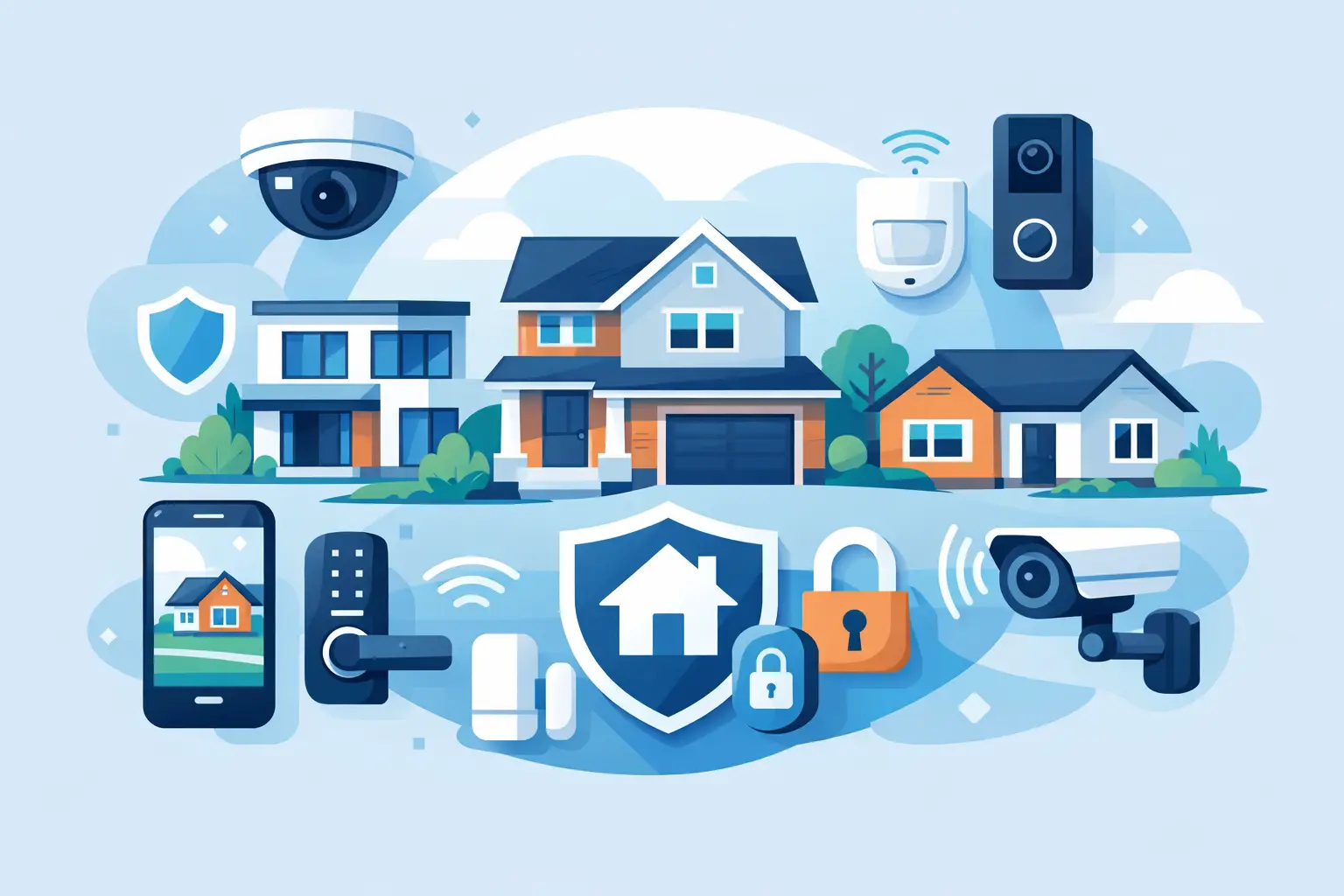
If you want a quick way to map out your options, this smart home automation devices list covers the main categories most shoppers consider:
- Smart bulbs, light strips, switches, and plugs
- Smart speakers and smart displays
- Video doorbells and indoor or outdoor cameras
- Smart locks and keypad entry systems
- Alarm hubs, motion sensors, contact sensors, and sirens
- Smart thermostats, fans, air purifiers, and climate controls
- Robot vacuums and connected cleaning devices
- Smart blinds, curtains, and shade controllers
- Connected kitchen appliances and compact home tech
- Water leak detectors, smoke alerts, and safety sensors
You do not need all of these to have a smart home. In fact, most people are happier when they start with two or three categories that solve a clear problem. Better lighting, easier entry, and stronger front-door monitoring often give the fastest return.
What matters more than buying the most devices
The mistake many shoppers make is building a collection instead of a system. A home full of disconnected gadgets can feel less convenient, not more. Before buying, think about compatibility, app control, and whether you want voice assistant support. Products that work well together usually create a much smoother experience than products chosen one at a time without a plan.
It also helps to think in routines instead of individual devices. For example, a good evening routine might lock the door, dim the lights, turn on the porch light, and lower the thermostat. A morning routine might open the blinds, start the coffee setup, and switch off overnight security alerts in common areas. That is where automation starts to feel like a lifestyle upgrade rather than a pile of settings.
Price matters too, but value is not always about buying the cheapest product. A low-cost gadget that rarely works is frustrating. A moderately priced device that fits your daily routine can feel worth it almost immediately. For many shoppers, the sweet spot is choosing affordable, user-friendly products that cover the basics first, then expanding over time.
How to choose the right setup for your home
If you rent, lean toward easy-install products like smart plugs, bulbs, cameras with simple mounting, and portable air or cleaning devices. If you own your home, you may have more room for smart locks, thermostats, switches, and built-in automation features.
If your main goal is peace of mind, start with a video doorbell, smart lock, and security sensors. If your goal is comfort, start with lighting, climate control, and an air purifier. If you want convenience above all else, smart plugs, a voice assistant, and a robot vacuum usually make daily life feel lighter without much learning curve.
For shoppers who want variety without overcomplicating the process, a broad store like GetTechShift makes the search easier because security, home tech, and lifestyle devices all live in one place. That matters when you are trying to build a setup that feels connected instead of random.
Smart home tech works best when it feels natural. Start with the devices that solve small annoyances you deal with every week, and your home will begin to feel less like a project and more like it is finally keeping up with your life.