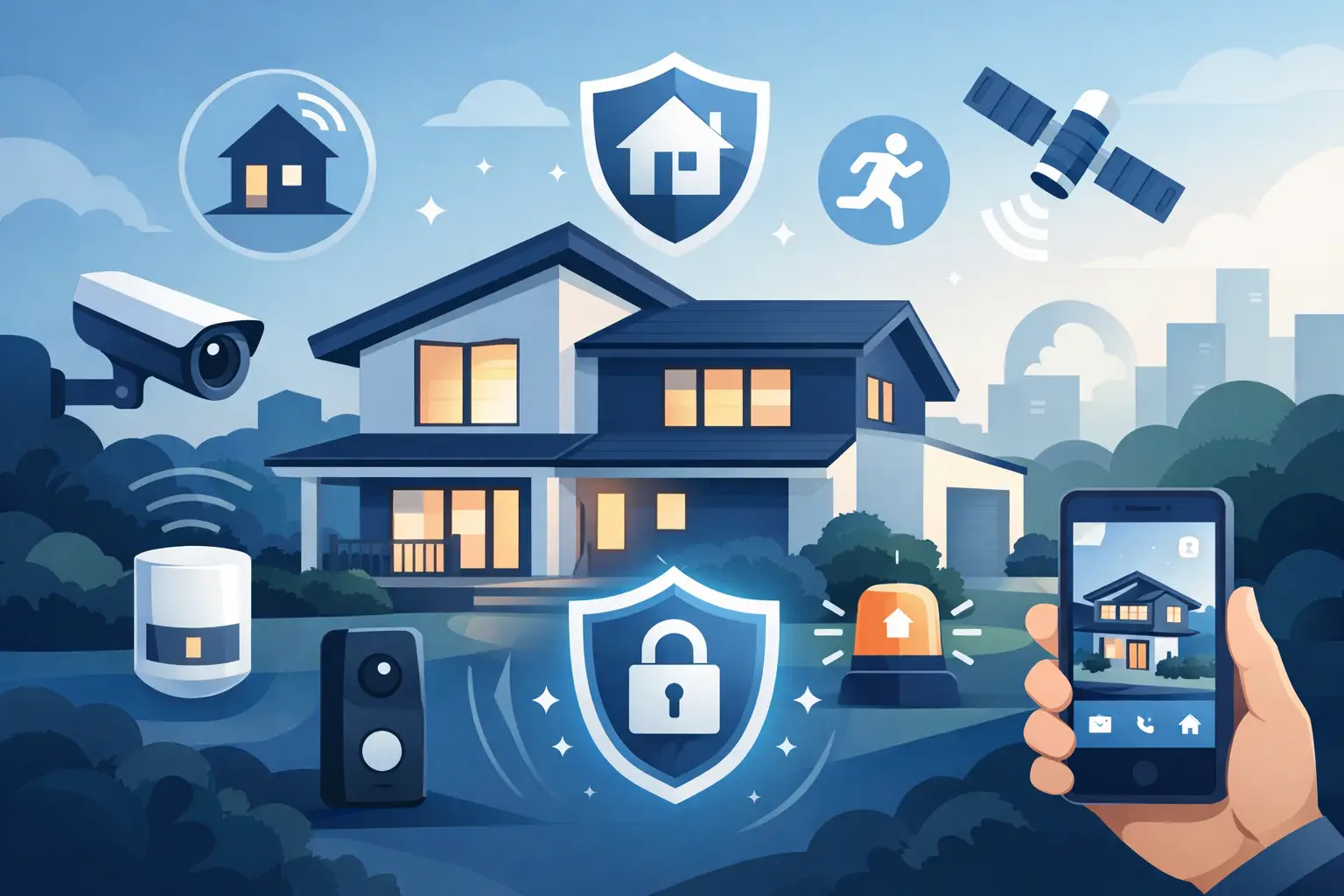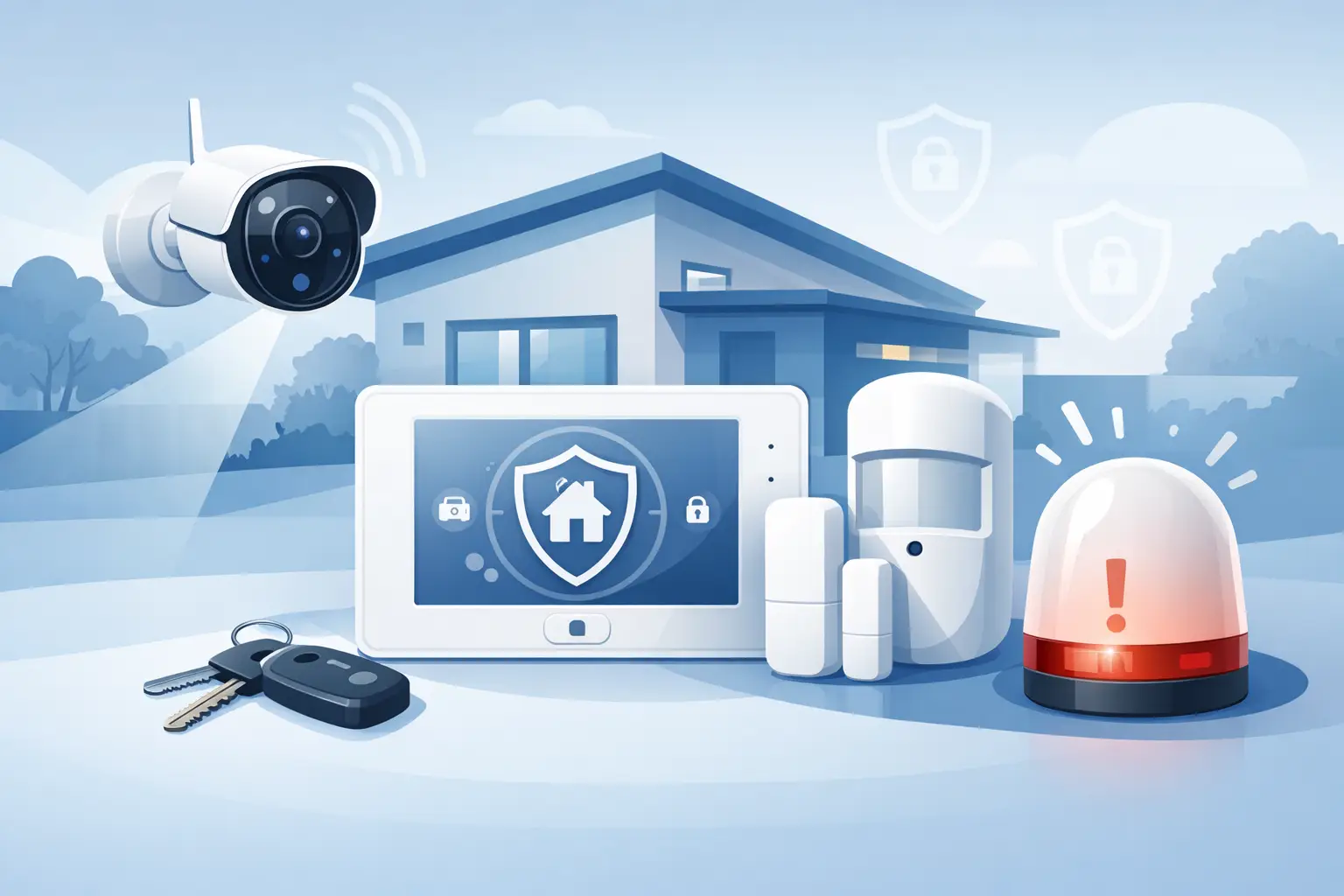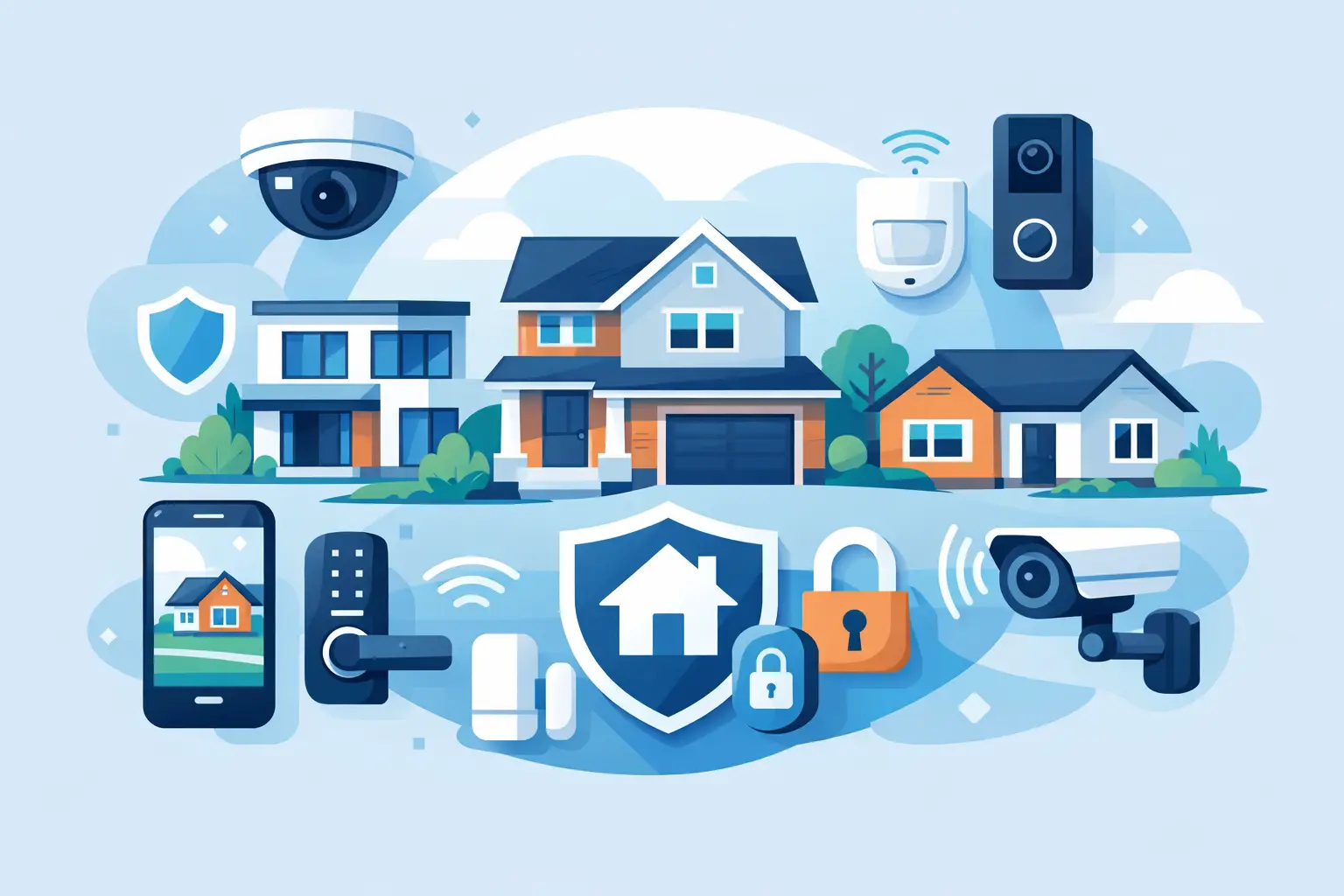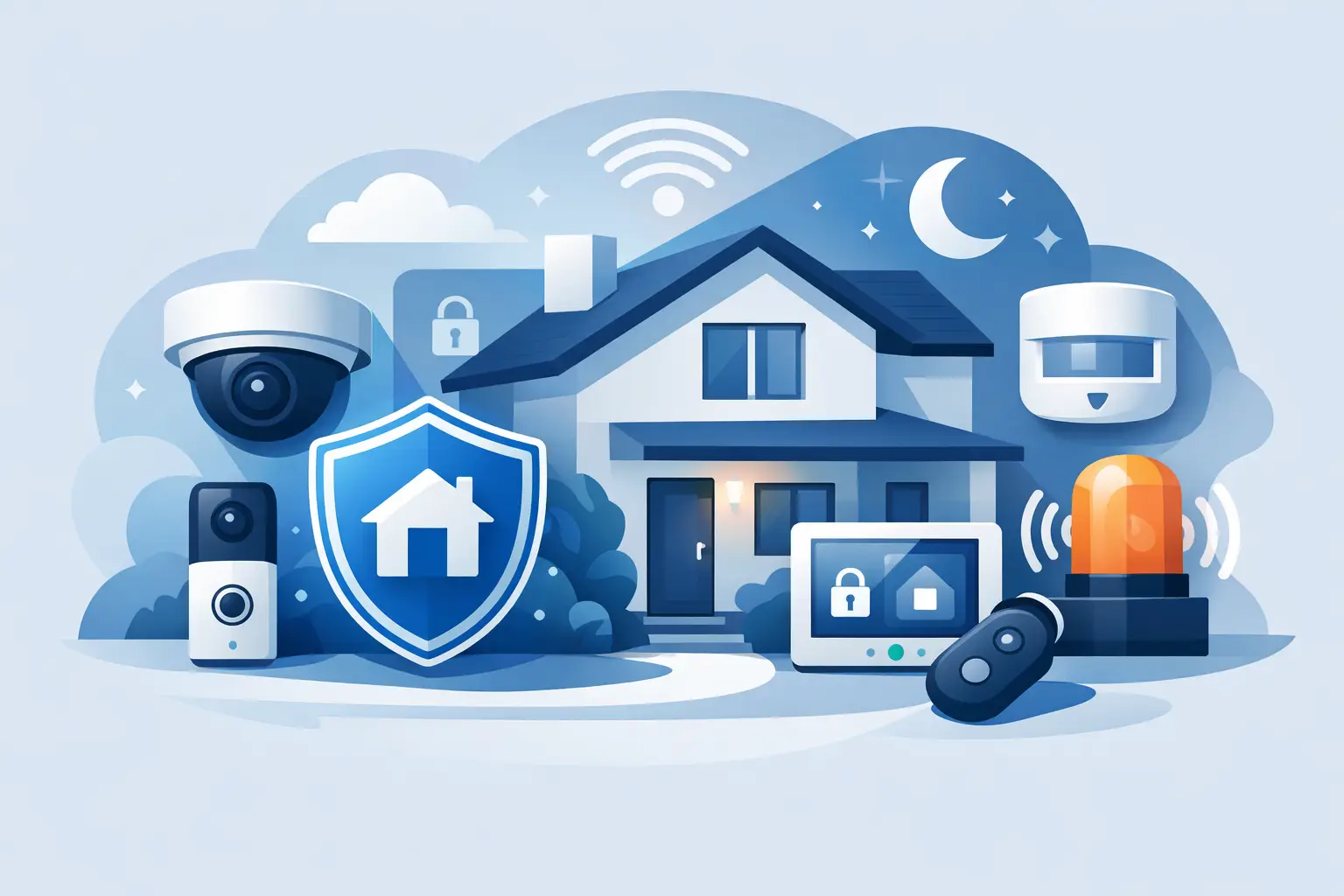
Are Alarm Systems Worth It for Your Home?
A package arrives while you are away. Your teenager gets home before you do. You are traveling for a long weekend and suddenly wonder whether the garage door was left open. Those are the real-life moments behind the question: are alarm systems worth it? For many households, the answer is yes – but the best value is not always the biggest system or the highest monthly plan.
An alarm system can add another layer of protection to a home, apartment, or condo while making everyday routines easier to manage. The key is choosing security that matches how you live, what you want to protect, and how much control you want from your phone.
Are Alarm Systems Worth It? Start With What They Prevent
An alarm system is not a guarantee that nothing will ever happen. What it can do is make a property less appealing to intruders, alert you faster to unusual activity, and create a clear response plan if a door, window, or motion sensor is triggered.
That speed matters. A basic system can sound a loud siren when a sensor is opened. A connected system can also send a phone notification, activate a camera recording, turn on lights, or contact a professional monitoring center. Instead of discovering a problem after the fact, you may know about it within seconds.
The value also goes beyond break-ins. Depending on the devices you choose, home security can help you keep an eye on kids arriving home, confirm that a pet sitter entered as expected, or check whether a delivery has been dropped off. Add compatible smoke, carbon monoxide, water-leak, or temperature sensors, and your setup can help flag household problems that have nothing to do with crime.
For busy families and homeowners who travel, that awareness can be the feature that makes the investment feel worthwhile.
The Real Cost of a Home Alarm System
The biggest mistake shoppers make is comparing only the upfront price. A better comparison includes equipment, installation, optional monitoring, and the cost of expanding the system later.
A simple DIY setup may include a hub, keypad or app control, a few entry sensors, and one motion detector. This can be an approachable choice for renters, small apartments, and anyone who wants basic alerts without a major commitment. Wireless sensors are often easy to place and can move with you when your lease ends.
A larger home may need more coverage: front and back doors, accessible windows, garage access, hallways, and possibly detached areas. Adding smart cameras, video doorbells, smart locks, and outdoor lighting can create a more complete view of what is happening around the property.
Professional monitoring is another decision. With self-monitoring, you receive alerts and decide what to do next. With professional monitoring, a service can follow a preset response process when an alarm is triggered. The right option depends on your schedule and comfort level. Self-monitoring can keep recurring costs lower, while professional monitoring may be more reassuring if you are frequently unavailable, asleep, or out of town.
Before you buy, look for practical details: battery backup, cellular backup if WiFi drops, app compatibility, subscription requirements for video storage, and whether extra sensors can be added later. A less expensive system can become costly if key features only work behind multiple monthly fees. On the other hand, paying a little more upfront for expandable equipment can prevent a full replacement when your needs change.
Who Gets the Most Value From an Alarm System?
The answer is not limited to large houses in high-crime areas. Different living situations create different reasons to invest.
Homeowners often benefit from broader coverage and the ability to build a connected security setup over time. A front-door camera, window sensors, smart lock, and indoor motion detector can work together to give a clearer picture of the property. If you own the home, you also have more freedom to install outdoor cameras, hardwired components, or permanent smart lighting.
Renters can benefit just as much from compact wireless systems. A peel-and-stick entry sensor, portable indoor camera, and app-controlled alarm hub can add protection without drilling into walls or changing a lease. The best renter-friendly setups are easy to remove, easy to pack, and simple enough to reinstall at the next address.
Families may value visibility as much as deterrence. Notifications when the front door opens, a camera view of the porch, or the ability to arm the system at bedtime can support daily routines without making the home feel complicated. A system should be easy enough for every responsible household member to understand.
People who travel frequently also have a strong use case. A connected alarm system can help you check in without asking a neighbor to watch the property every day. Pairing security tools with smart plugs or lights can also make an empty home look more active, especially during vacations or work trips.
What an Alarm System Cannot Do
A good buying decision includes the limits. Alarm systems do not replace strong door hardware, working locks, common-sense routines, or safe neighborhood awareness. An unlocked window is still a weak point. A camera placed too high, too low, or pointed into harsh sunlight may miss useful details. And a system that is never armed cannot protect much.
False alarms are another trade-off. Motion sensors can be triggered by pets, open windows, moving curtains, or a device placed in the wrong location. Smart detection features can help reduce unnecessary alerts, but placement and setup still matter. Test each sensor after installation and adjust settings before relying on it.
Privacy deserves attention, too. Indoor cameras can be useful for checking on pets or monitoring an entryway, but they should be placed thoughtfully. Avoid private spaces, use strong account passwords, turn on two-factor authentication when available, and review who has access to your app. Home technology should make you feel more in control, not less.
How to Choose a Setup That Fits Your Home
Start with the entry points, not the product page. Walk through your home and identify the doors and windows that are easiest to access. Think about where someone would enter, where you would want a camera view, and what areas are most important to protect.
For a small apartment, a hub, front-door sensor, motion sensor, and compact indoor camera may be enough. For a single-family home, consider door and window sensors at key access points, a video doorbell, outdoor cameras covering approaches, and motion detection in a central interior space. If you have a garage, do not overlook the door connecting it to the house.
Then choose the experience you want. Some shoppers want a simple alarm that sends alerts. Others want a connected home setup where lights, locks, cameras, and alarms can be managed from one app. Neither approach is automatically better. A straightforward system that you use consistently is more valuable than an advanced setup that feels confusing.
It is also smart to plan for the next year, not just the first day. Maybe you only need a door sensor today, but want to add a video doorbell after moving, an outdoor camera before a vacation, or water sensors near appliances later. Expandable devices give you room to build protection around your lifestyle instead of buying everything at once.
The Everyday Payoff Is Control
The strongest reason to consider home security is not fear. It is control. You can check whether the door is locked, know when a package arrives, receive an alert when a sensor is triggered, and respond with more information than you had before.
That makes alarm systems especially valuable when they fit into a wider smart-home routine. A camera can show what caused an alert. A smart lock can help you avoid hiding spare keys. A video doorbell can let you see who is at the door without interrupting work, dinner, or a quiet evening. These are practical upgrades that bring security closer to the way modern households already live.
So, are alarm systems worth it? They are when the protection, notifications, and peace of mind are worth more to you than the cost and upkeep. Choose coverage for the risks you actually have, keep the setup simple enough to use, and build from there. The right security system should not complicate home life – it should help your home feel more connected, more aware, and more comfortably yours.