What Is Smart Home Automation?
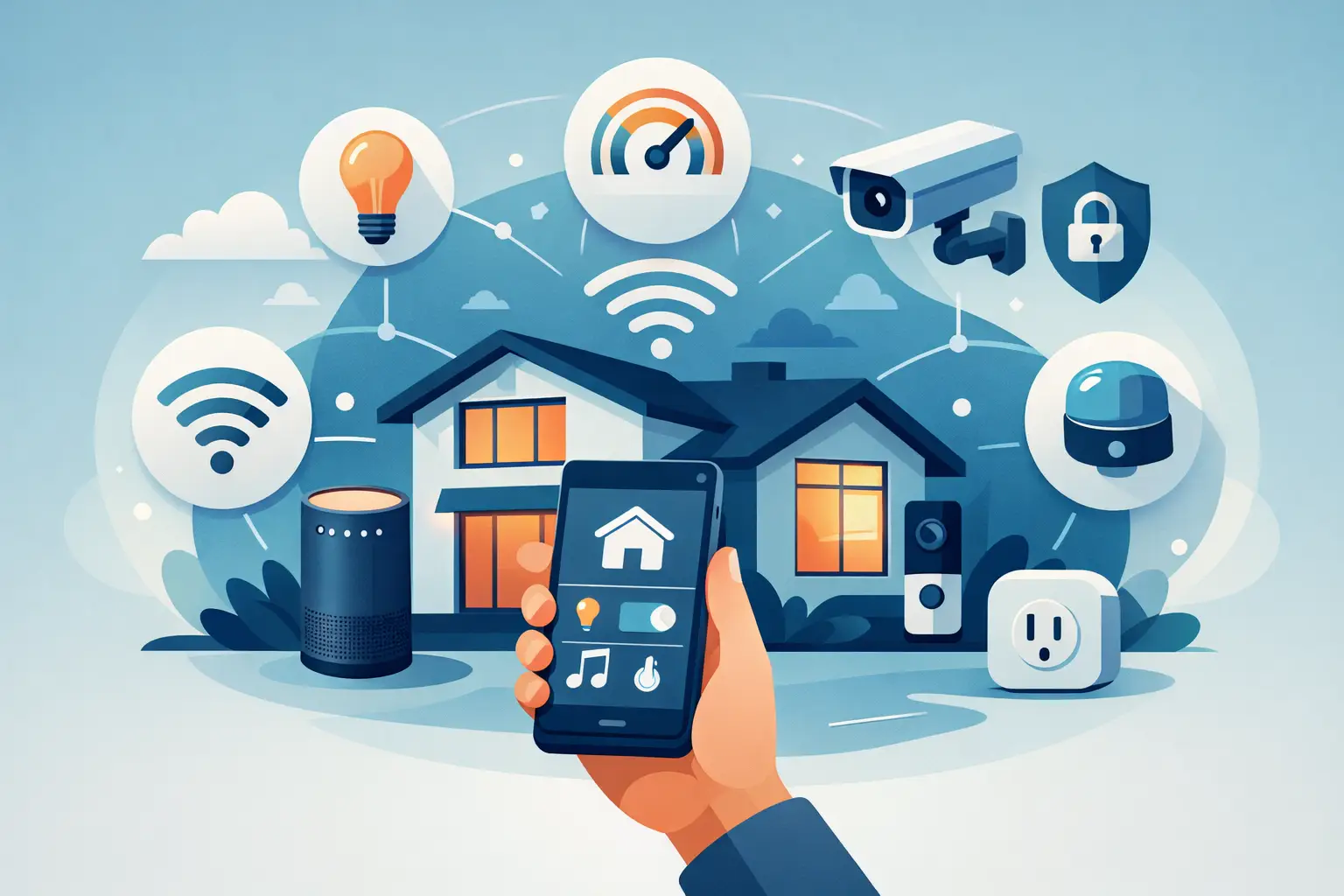
Your lights turn on before you reach the hallway. The front door locks itself after you leave. A camera sends an alert when a package hits the porch. If that sounds convenient, not complicated, you’re already close to understanding what is smart home automation.
Smart home automation is the use of connected devices, sensors, apps, and settings that let your home handle certain tasks automatically. Instead of manually turning things on, off, up, down, open, or closed, you set up rules, schedules, or triggers so your devices respond on their own. The goal is simple – less friction in your day, more control over your space.
For most people, this starts with something small. Maybe it’s a video doorbell, a smart bulb, or a smart plug that shuts off a lamp at bedtime. From there, it can grow into a home setup that supports security, comfort, energy savings, and convenience without feeling overly technical.
What Is Smart Home Automation and How Does It Work?
At the basic level, smart home automation connects devices so they can communicate and respond to commands or conditions. Those commands might come from an app on your phone, a voice assistant, a motion sensor, a door sensor, or a timer you created in advance.
Here’s the difference between a smart device and automation. A smart device can usually be controlled remotely. A smart bulb you turn off from your phone is smart. Automation happens when that bulb turns off every night at 11 p.m., or when it switches on automatically when a motion sensor detects someone entering the room.
That distinction matters because plenty of people buy one smart product and assume they’ve fully automated their home. In reality, automation is about systems and routines, not just gadgets. The real value shows up when your devices work together.
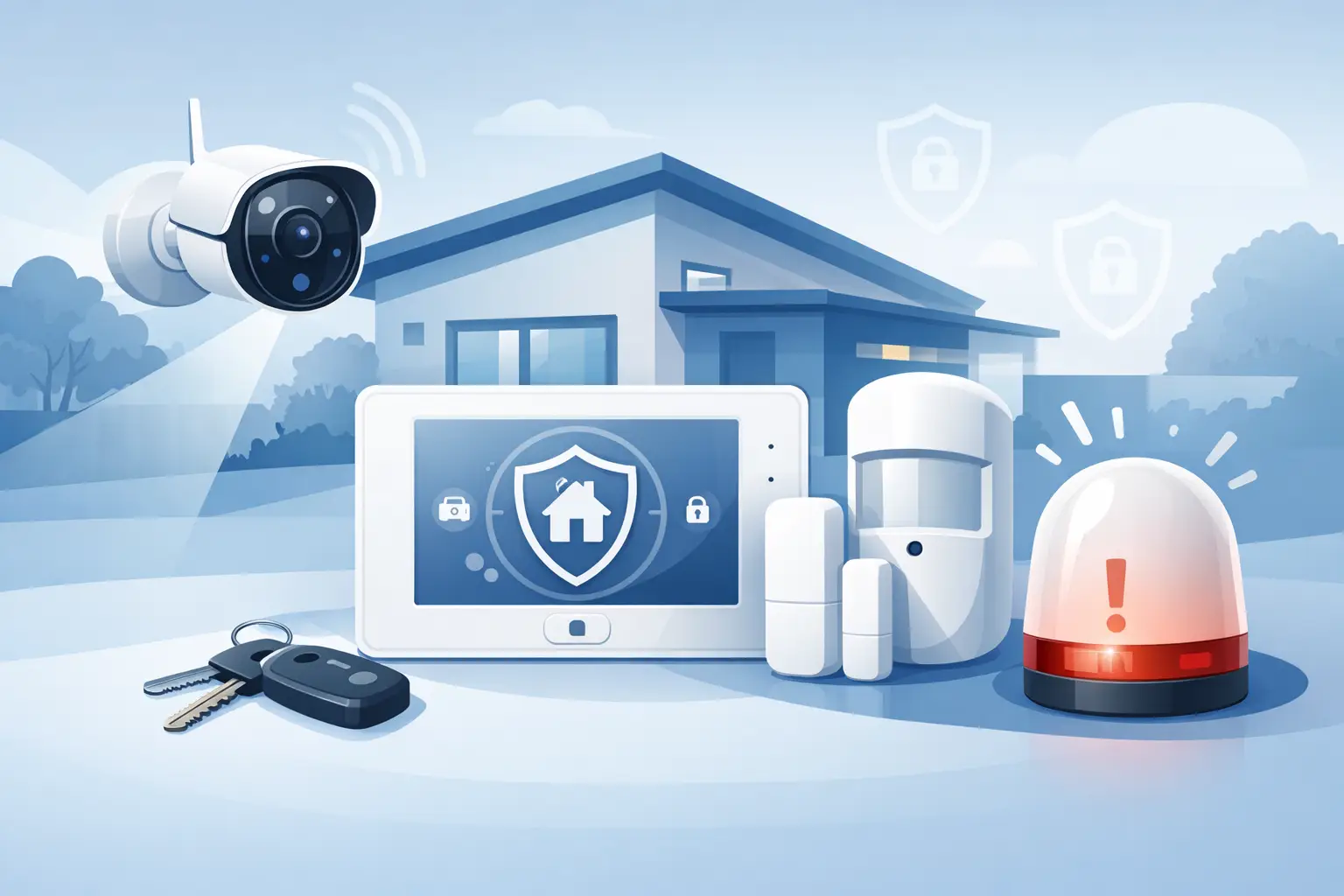
A typical setup includes a few core pieces. First, you have the devices themselves – things like smart locks, indoor cameras, alarm systems, thermostats, plugs, lights, or doorbells. Then you need a way to control them, usually through a mobile app. Some homes also use a hub, while others run directly over WiFi or Bluetooth. Finally, there are triggers and actions. If motion is detected after midnight, turn on the porch light. If the front door unlocks, disarm the alarm. If indoor temperature rises above a set level, turn on a fan or AC unit.
Why Smart Home Automation Appeals to So Many Households
The biggest reason is simple: it makes everyday living easier. You don’t have to remember every switch, lock, or setting when your home can handle part of that work for you. That’s a strong sell whether you’re a busy parent, a renter with a small apartment, or a homeowner upgrading room by room.
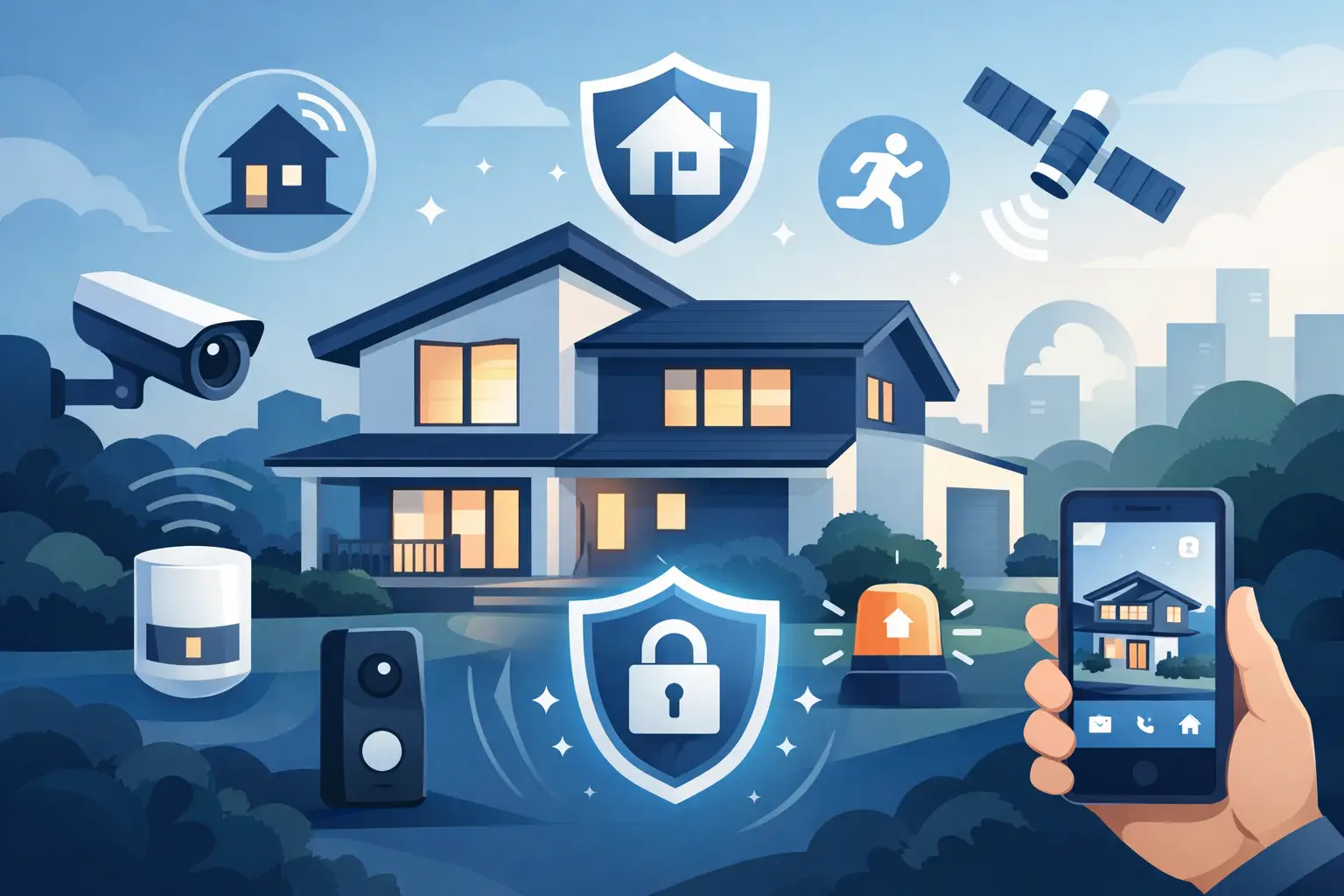
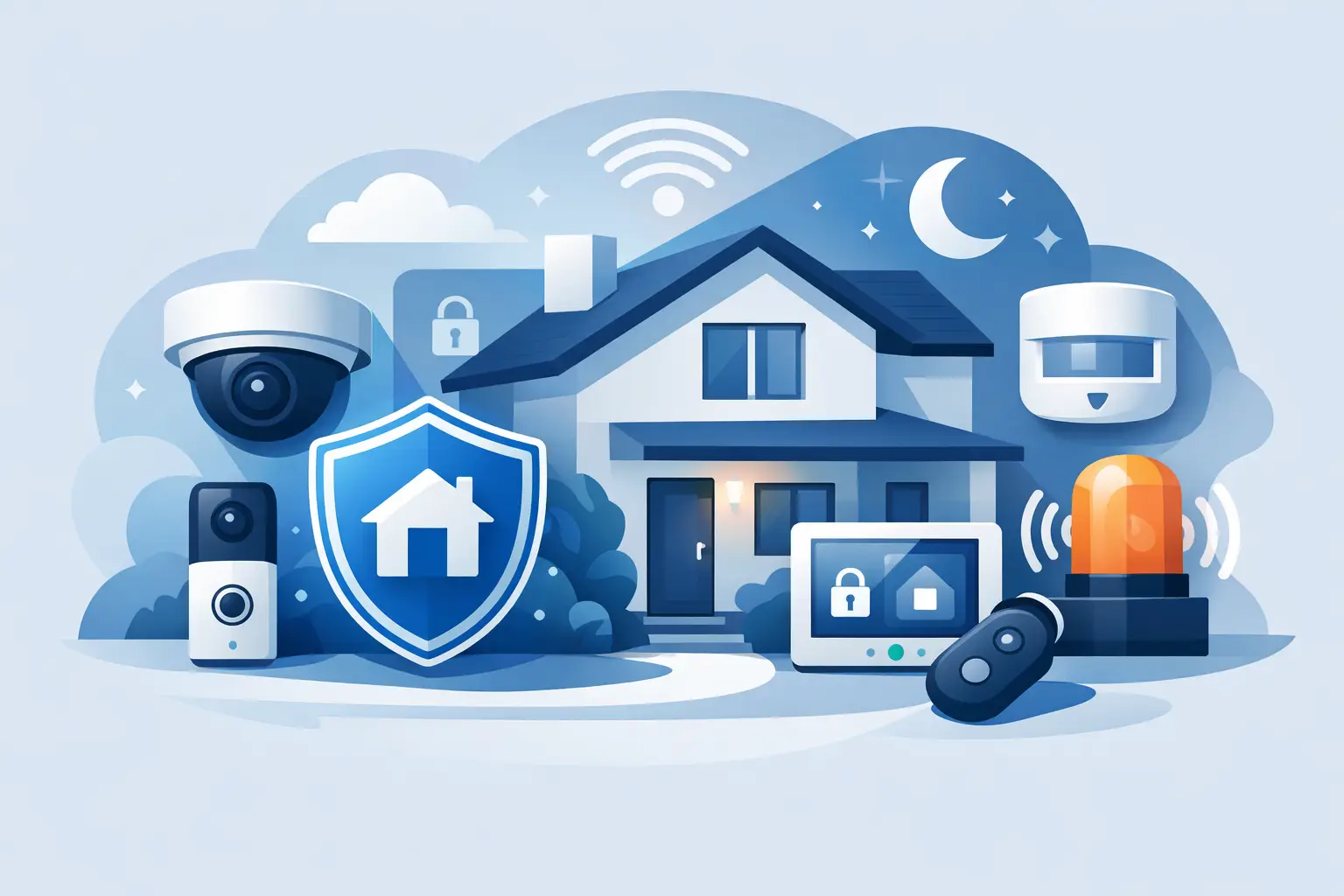
Security is often the first category that gets people interested. Smart cameras, alarm systems, motion alerts, video doorbells, and smart locks create a home that feels easier to monitor and manage. You can check a live feed, get notified when someone approaches the door, or confirm that the house is locked after you leave. That doesn’t mean every product prevents crime on its own, but it can improve awareness and response time.
Convenience is the next big driver. Smart plugs can control coffee makers or lamps. Lights can follow a routine that matches your schedule. A smart lock can let in a family member without needing a spare key. These upgrades don’t need to be flashy to be useful. Often the best smart home setup is the one that quietly saves you a few steps every day.
Then there’s efficiency. Some automations help reduce wasted energy by turning off lights in empty rooms, adjusting temperatures based on time of day, or shutting down devices when no one is home. Savings vary depending on your home and habits, so this isn’t a magic bill-cutting promise. Still, better control usually leads to fewer things running when they don’t need to.
Common Smart Home Devices You’ll See in Real Homes
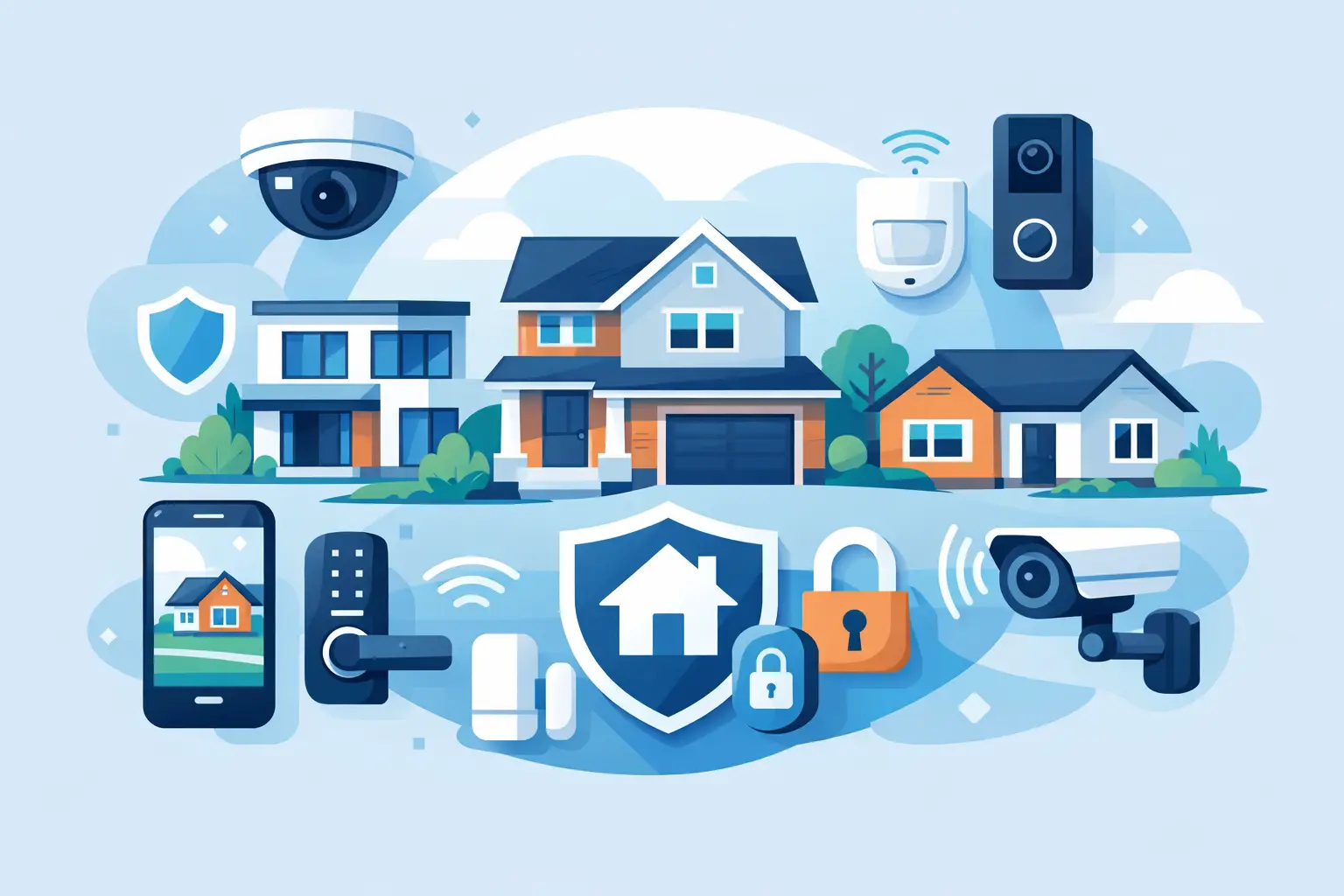
Most smart homes are built around practical categories, not futuristic fantasies. Security products are often the most popular entry point. Video doorbells, surveillance cameras, alarms, and smart locks offer immediate value because they solve a clear everyday concern – knowing what’s happening around your home.
Lighting comes next because it’s easy to understand and easy to set up. Smart bulbs and plugs can put lamps, fans, or decorative lighting on schedules or app control. This is one of the lowest-effort ways to start automating your home.
Environmental and comfort products are also growing fast. Air purifiers, temperature-control devices, and connected appliances can make a space feel more personalized. If your goal is modern living with less manual adjustment, these categories make sense.
You’ll also see lifestyle devices join the mix. Smart speakers, wearable tech, and app-connected gadgets can support routines that go beyond the home itself. That broader ecosystem is part of why smart automation now feels mainstream instead of niche.
What Is Smart Home Automation Best Used For?
The best use depends on your priorities. If home security matters most, automation should focus on alerts, access control, and camera coverage. If convenience is the goal, think lighting, plugs, and simple scheduled routines. If you want your home to feel more current and responsive, start with products that remove repetitive tasks.
Morning and evening routines are especially useful. You can set lights to fade on in the morning, start kitchen devices, or receive a weather and security check from your app before leaving. At night, one tap can lock doors, switch off selected lights, and arm the system. That kind of setup feels less like tech for tech’s sake and more like a home that keeps up with you.
Automation also helps when you’re away. Vacation settings can make a house look occupied. Real-time alerts can let you check activity at the front door. Remote access can give peace of mind if you forgot whether you locked up before heading out. None of that replaces common-sense home security habits, but it adds a layer of control people appreciate.
The Trade-Offs to Know Before You Buy
Smart home automation is useful, but it isn’t perfect. The first trade-off is compatibility. Not every device works with every app, voice assistant, or platform. That’s why it helps to think about your setup as an ecosystem instead of a random cart of cool products.
WiFi dependence is another factor. Some devices work great until your internet drops, then certain features become limited. If reliability matters, especially for security products, check what still functions locally and what requires a constant connection.
Privacy also matters. Cameras, microphones, and app-based tracking can be extremely convenient, but they collect data. That doesn’t make them a bad choice. It just means shoppers should pay attention to settings, permissions, and how much connected access they actually want.
Then there’s the learning curve. Smart home tech is easier than it used to be, but setup still varies. Some products are nearly plug-and-play. Others need a bit more patience. If you’re new to the category, start with one or two products that solve a clear problem instead of trying to automate your entire house in a weekend.
How to Start Smart Without Overcomplicating It
The smartest first move is to choose one area of your life that feels repetitive, annoying, or easy to improve. That might be front-door security, nighttime lighting, or controlling a few appliances remotely. Once you solve one problem well, it becomes easier to decide what should come next.
A focused setup usually beats a giant one. A video doorbell, a smart lock, and a camera can create a strong entryway system. A few smart plugs and bulbs can improve comfort in the bedroom or living room. For many shoppers, that’s enough to make the home feel noticeably more advanced without adding complexity they won’t use.
It also helps to think in routines instead of products. Don’t just ask, “Should I buy a smart light?” Ask, “What do I want to happen at 7 a.m. or 11 p.m.?” That shift changes automation from a shopping trend into a practical lifestyle upgrade.
For shoppers browsing a broad mix of home tech, security tools, and connected devices, smart automation works best when it feels approachable. That’s why retailers like GetTechShift fit the way people actually shop – not as engineers building a lab, but as everyday consumers upgrading how they live.
Smart home automation isn’t about turning your house into a science project. It’s about giving your space a little more awareness, a little more convenience, and a lot less routine busywork. Start with what you’ll use, build from there, and let your home get smarter in ways you’ll actually notice.