9 Benefits of Smart Home Automation
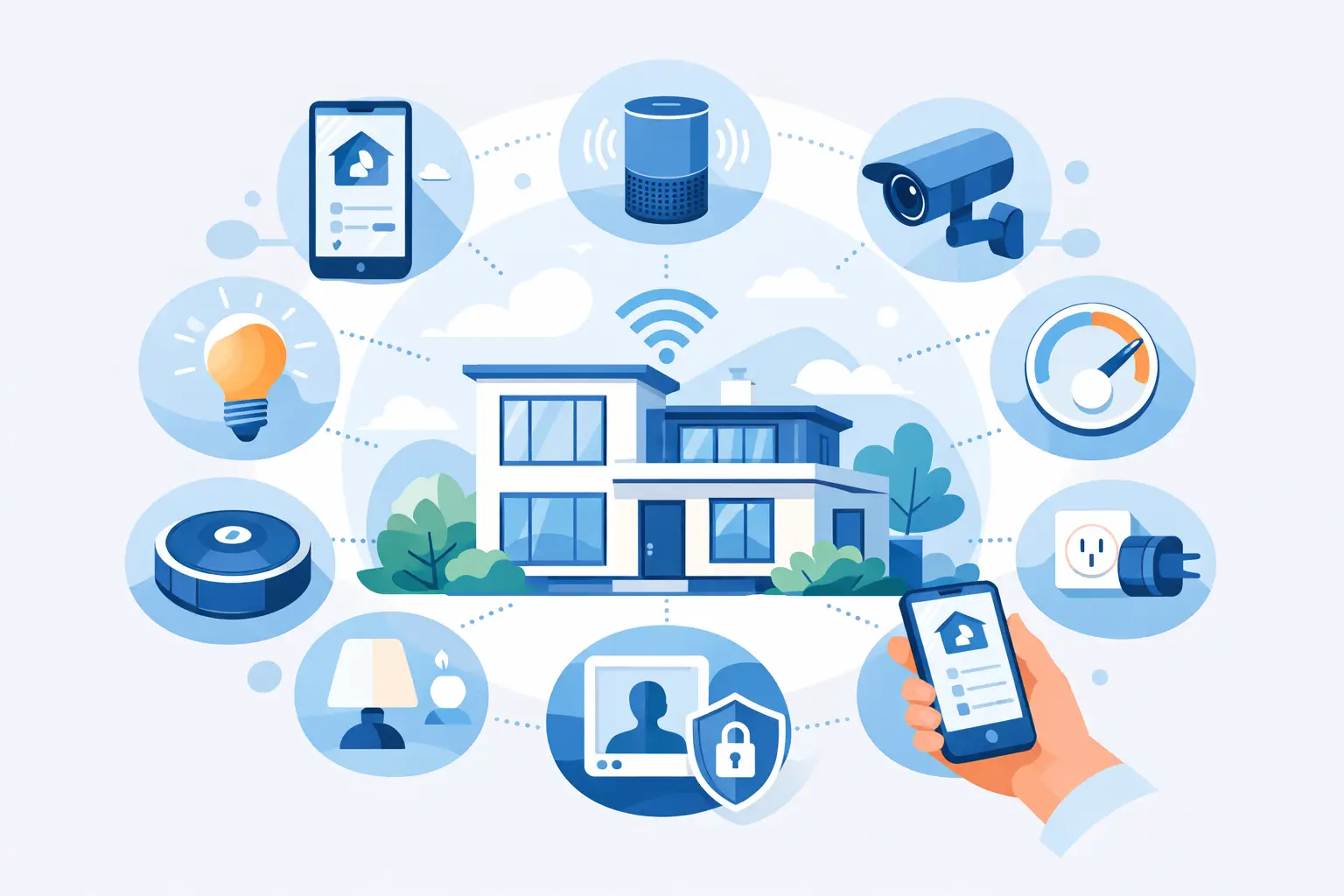
Your lights turn off after you leave, the front door locks itself, and your camera sends an alert the second motion hits your porch. That is the real appeal behind the benefits of smart home automation – not flashy tech for its own sake, but a home that works harder for you every day.
For a lot of people, smart home upgrades start with one simple problem. Maybe it is forgetting to lock the door. Maybe it is coming home to a dark house with your hands full. Maybe it is wanting more control over energy use, security, or daily routines without adding extra hassle. Smart automation answers those small friction points in a way that feels modern, practical, and surprisingly easy to live with.
Why the benefits of smart home automation matter
A smart home is not just a collection of gadgets. The value comes from how those devices connect and respond automatically based on your schedule, habits, or real-time activity. When a smart lock, video doorbell, camera, lighting setup, or sensor works together, your home becomes more responsive.
That is why automation tends to feel bigger than any single product. A smart bulb can save you a few taps. A fully automated routine can change how your mornings run, how secure your home feels at night, and how much energy you use each month. The benefits build over time.
Convenience that actually saves time
The most obvious win is convenience, but not the shallow kind. Smart home automation removes repetitive tasks that do not deserve your attention in the first place.
Instead of checking every room before bed, you can create a nighttime routine that turns off lights, adjusts the thermostat, and locks doors at once. Instead of manually switching devices on throughout the day, you can schedule them to follow your routine. Small actions add up, especially for busy households, parents, and professionals who already have enough to think about.
This also matters for shared homes. If multiple people are coming and going, automation helps everything stay organized without relying on one person to manage the whole house. It is a lifestyle upgrade that feels immediate because it cuts clutter from your day.
Better home security without constant effort
Security is one of the strongest reasons people invest in connected devices. Smart cameras, doorbells, motion sensors, alarms, and locks give you more visibility and more control than traditional setups.
What makes automation especially useful is that your home can react on its own. Motion on the front porch can trigger a camera recording and a phone alert. A door opening at an unusual hour can turn on entryway lights. If you are away, you can check activity in real time instead of wondering what is happening.
That said, more devices do not automatically mean better protection. Placement, notification settings, and product quality matter. Too many alerts can become background noise, while weak WiFi can create blind spots. The best smart security setup is the one that gives you clear information without overwhelming you.
Energy savings with more control
One of the less glamorous but very real benefits of smart home automation is better energy management. Smart plugs, thermostats, lighting controls, and appliance scheduling help reduce waste without making your home less comfortable.
Lights can turn off when rooms are empty. Heating and cooling can adjust when you are out. Devices that usually stay on standby can follow a schedule instead of running all day. If you have ever wondered where your utility bill keeps creeping up, automation can help you spot and fix inefficient habits.
Savings vary depending on your home, climate, and devices. A small apartment may not see the same impact as a larger house with more systems to manage. Still, even modest improvements feel worthwhile because they combine lower waste with less manual effort.
A more comfortable home environment
Comfort is where smart home tech starts to feel less like a gadget purchase and more like a daily-life upgrade. Automation can shape the atmosphere of your home around what you actually like.
You can set lights to warm up in the evening, have the bedroom cool down before sleep, or run air quality devices at specific times. If your goal is a home that feels calmer, cleaner, and more responsive, automation makes that easier to maintain.
This is especially appealing for people who want technology to blend into the background. You are not constantly managing settings. You create a system once, adjust it when needed, and let your home handle the rest.
Remote access adds peace of mind
Few things are more useful than being able to check in on your home from anywhere. Remote access is one of the smart home features that becomes essential the moment you use it.
If you are on vacation, at work, or just running errands, you can view camera feeds, lock or unlock doors, respond to a video doorbell, or turn devices on and off through an app. That flexibility is valuable for families, pet owners, frequent travelers, and anyone receiving deliveries during the day.
Of course, remote access depends on a stable internet connection and secure account settings. Strong passwords, two-factor authentication, and regular app updates are part of the package. Convenience should not come at the expense of digital safety.
Smart automation can support safer routines
The benefits of smart home automation also show up in the way it supports safer everyday living. Automated lighting can reduce the risk of moving through dark hallways or stairs at night. Smart locks can remove the need to hide spare keys outside. Sensors can alert you to unusual activity faster than you might notice on your own.
For older adults or households with children, this can be particularly useful. A notification when a door opens, an indoor camera in a common area, or voice control for certain devices can make the home feel easier to manage. It is not a replacement for good habits, but it can add an extra layer of awareness.
The right setup depends on the household. Some people want simple automation for entry and lighting. Others want a broader system that includes alarms, cameras, and environmental monitoring. Starting with your biggest safety concern usually leads to smarter buying decisions.
It can make your home feel more modern and more valuable
There is also a style factor here, and it matters more than people admit. Smart home devices tend to make a space feel current, efficient, and designed for the way people live now. App control, voice features, compact sensors, and clean hardware all contribute to that polished feel.
For homeowners, certain upgrades may also add appeal when it comes time to sell. Buyers often like the idea of a home with smart locks, security cameras, connected lighting, or intelligent climate control already in place. It signals convenience and a more up-to-date living experience.
That does not mean every product adds resale value equally. Trendy gadgets can age fast, and not every buyer wants a highly customized setup. But practical features tied to security, comfort, and efficiency tend to have longer-lasting appeal.
You do not need to automate everything at once
One reason some shoppers hesitate is the assumption that smart home living requires a complete overhaul. It does not. In fact, a better approach is usually to start small and build around your priorities.
If security matters most, begin with a video doorbell or camera. If convenience is the goal, try smart plugs or lighting. If daily access is the pain point, a smart lock can make an immediate difference. The best system is not the most complicated one. It is the one you will actually use.
Compatibility is worth checking before you buy. Different ecosystems, apps, and connection standards can affect how well devices work together. That is the trade-off with a growing smart home category: there are more choices than ever, but a little planning saves frustration later.
The real payoff is a home that fits your life better
The smartest homes are not the ones packed with the most devices. They are the ones that reduce stress, save time, improve safety, and make everyday routines feel easier. That is where the real benefits land.
For some households, that means stronger front-door security and instant alerts. For others, it means better sleep, lower energy use, or a smoother morning rush. Smart home automation works best when it solves real problems and adds comfort you notice without having to think about it.
If you are curious about upgrading your space, start with the friction points you deal with every week. The best tech is not there to impress your guests. It is there to make home feel better the moment you walk in.