12 Home Automation Devices Examples
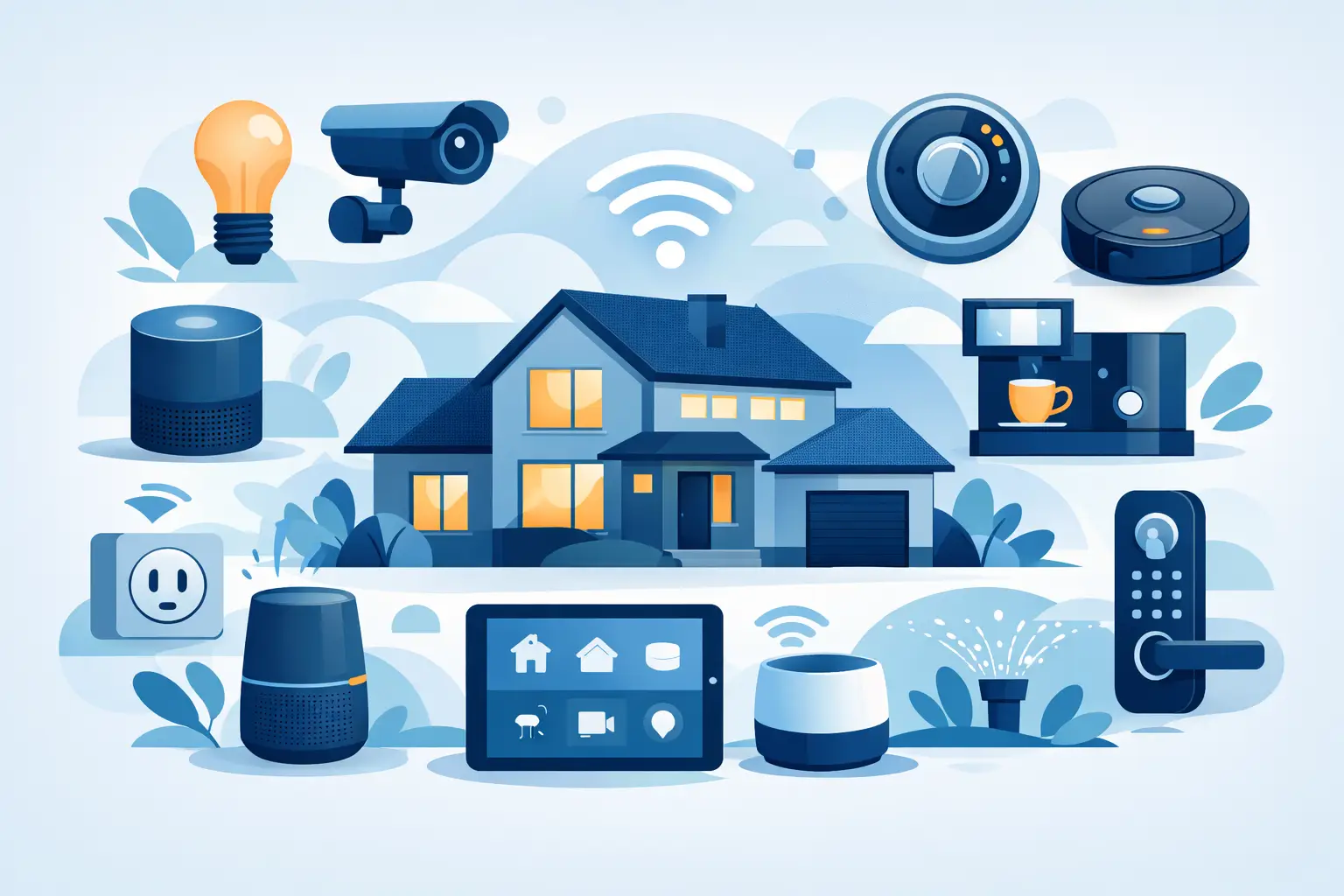
A smart home usually starts with one small upgrade. Maybe it is a bulb you can turn off from bed, a camera that pings your phone when a package arrives, or a lock that saves you from hiding a spare key under the mat. That is why looking at real home automation devices examples is more useful than talking about the category in abstract terms. You can quickly see what fits your routine, what adds convenience, and what is just extra.
For most shoppers, the goal is not to build a sci-fi house. It is to make everyday life easier, safer, and a little more connected. The best smart home setup is usually a mix of practical products that solve small problems consistently. When those products work together, the upgrade feels less like a gadget purchase and more like a lifestyle improvement.
Home automation devices examples for everyday living
Home automation covers more than lights and voice assistants. It includes security, climate control, cleaning, kitchen convenience, and even air quality. The right setup depends on your home, your budget, and how much control you want from your phone.
Smart speakers and displays
Smart speakers are often the first step because they make other devices easier to use. You can control lights, locks, plugs, and thermostats with a voice command or a simple app routine. A smart display adds visual control, which is especially handy for checking cameras, timers, weather, and reminders.
They are convenient, but they also become the center of your setup. That is a plus if you want one place to control everything. It can be a downside if you mix too many brands that do not play nicely together.
Smart bulbs and smart lighting
Smart bulbs, light strips, and smart switches are some of the most popular home automation devices examples because the benefits are immediate. You can dim lights, change color temperature, set schedules, and turn everything off remotely.
This is one of the easiest upgrades for renters since smart bulbs usually do not require rewiring. Homeowners may prefer smart switches for a cleaner long-term setup, especially in rooms with multiple bulbs. The trade-off is simple – bulbs are easier to install, while switches often feel more natural for daily use.
Smart plugs
Smart plugs are the low-commitment way to make regular electronics feel smarter. Plug in a coffee maker, lamp, fan, or holiday lights, and you can schedule power, control it remotely, or connect it to voice commands.
They are affordable and flexible, which makes them great for first-time buyers. The limitation is that they do not make every appliance fully smart. They work best with products that can resume operation as soon as power is restored.
Smart thermostats
A smart thermostat adds comfort and can help trim energy waste. It learns your schedule or follows manual routines so your home is not heating or cooling empty rooms all day.
This category makes the most sense for homeowners or long-term renters with control over HVAC equipment. Compatibility matters here, so it is worth checking wiring requirements before buying. When it fits your system, it is one of the most practical upgrades in the whole category.
Smart locks
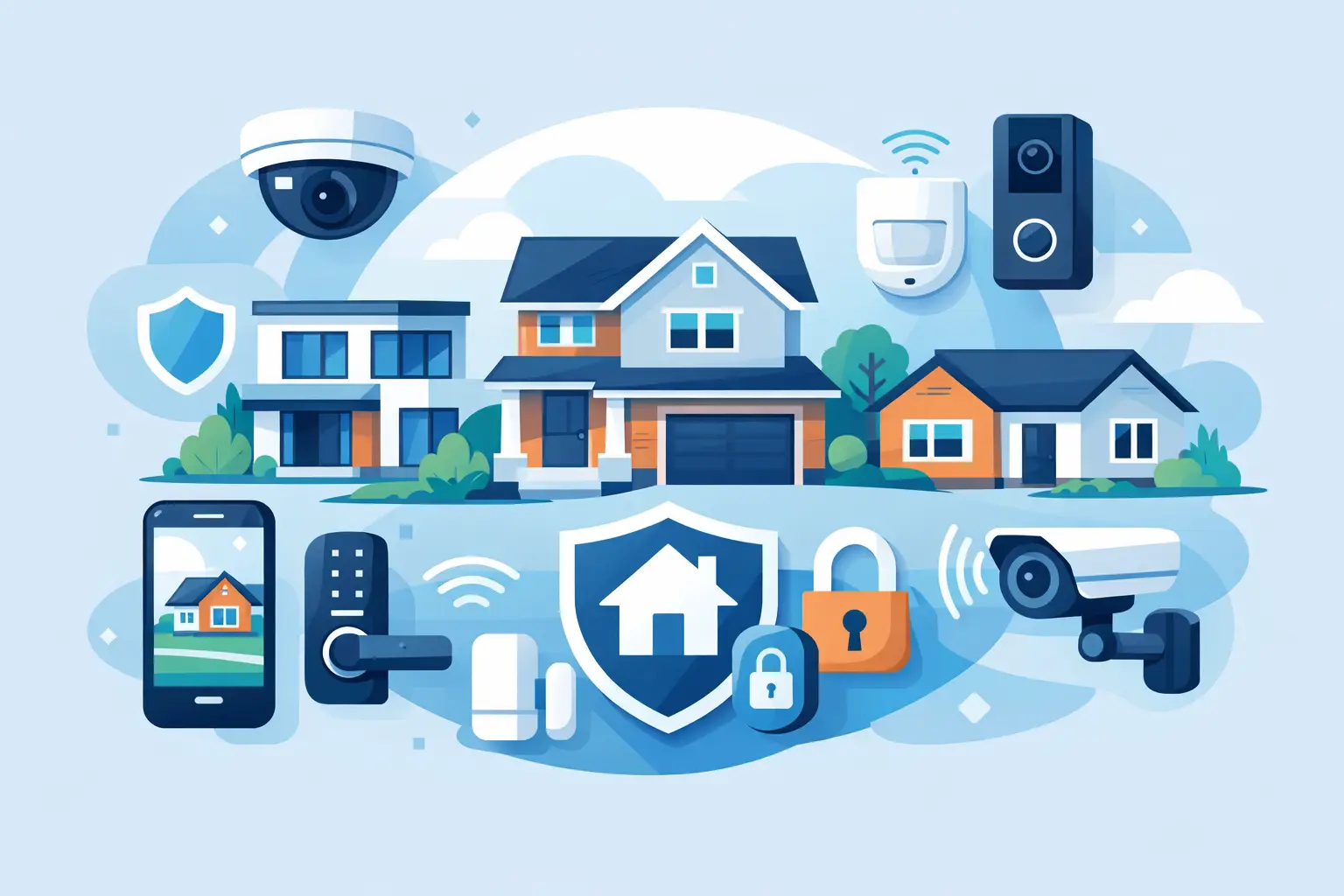
Smart locks replace the old key-only routine with app access, keypad entry, temporary codes, and remote control. For families, hosts, or anyone who has ever stood outside fumbling for keys, that convenience adds up fast.
Security is the obvious reason people shop this category, but ease of access is just as important. Some buyers prefer fingerprint access, while others want simple keypad entry for guests and kids. Battery maintenance is the main thing to watch. A smart lock is convenient, but only if you stay on top of power levels.
Video doorbells
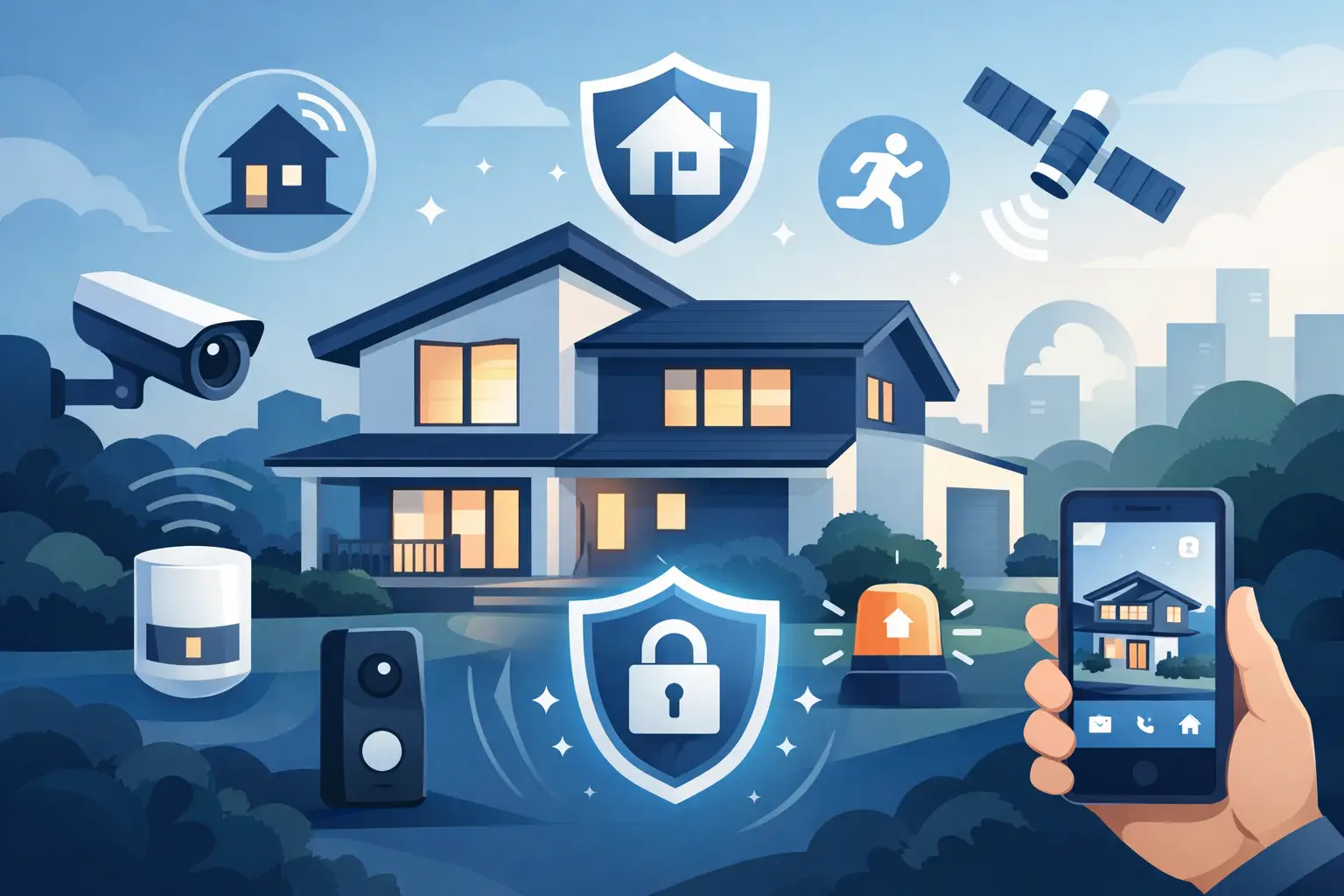
Video doorbells combine security, visibility, and convenience in one compact device. They let you see who is at the door, speak through the app, and get alerts when motion is detected.
For package deliveries alone, they are a strong upgrade. The difference between models usually comes down to video quality, night vision, cloud storage, and smart detection features. Apartment dwellers may need to check installation rules first, but for many homes this is one of the easiest ways to modernize front-door security.
Indoor and outdoor security cameras
Cameras are among the strongest home automation devices examples because they cover multiple needs at once. They help with security, monitor pets, keep an eye on kids, and give you peace of mind when you are away.
Indoor cameras are useful for flexible room monitoring, while outdoor cameras are built for weather exposure and perimeter coverage. Some people want constant recording, others only need motion-triggered clips. That choice affects storage needs, privacy expectations, and monthly costs if a subscription is involved.
Alarm systems and sensors
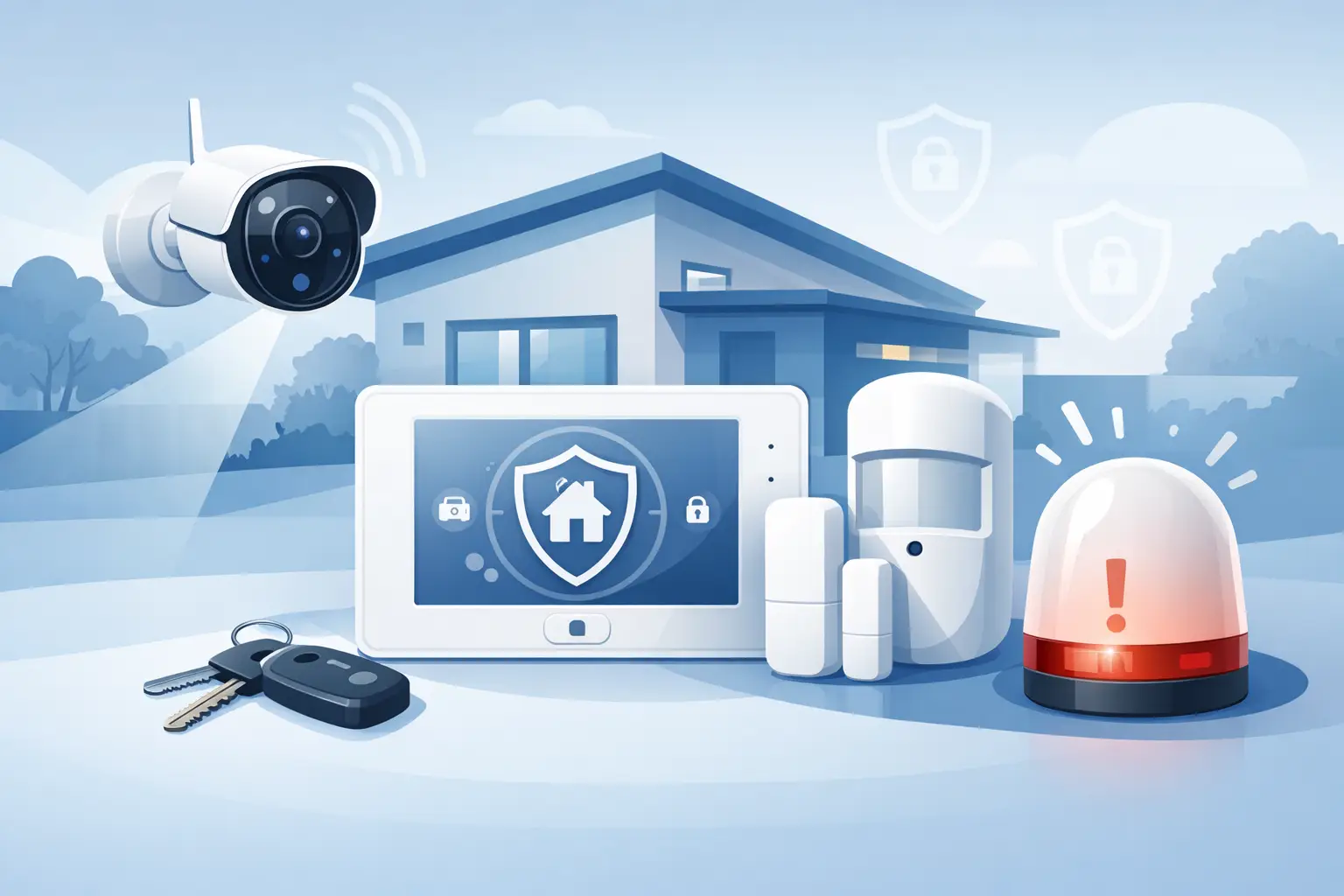
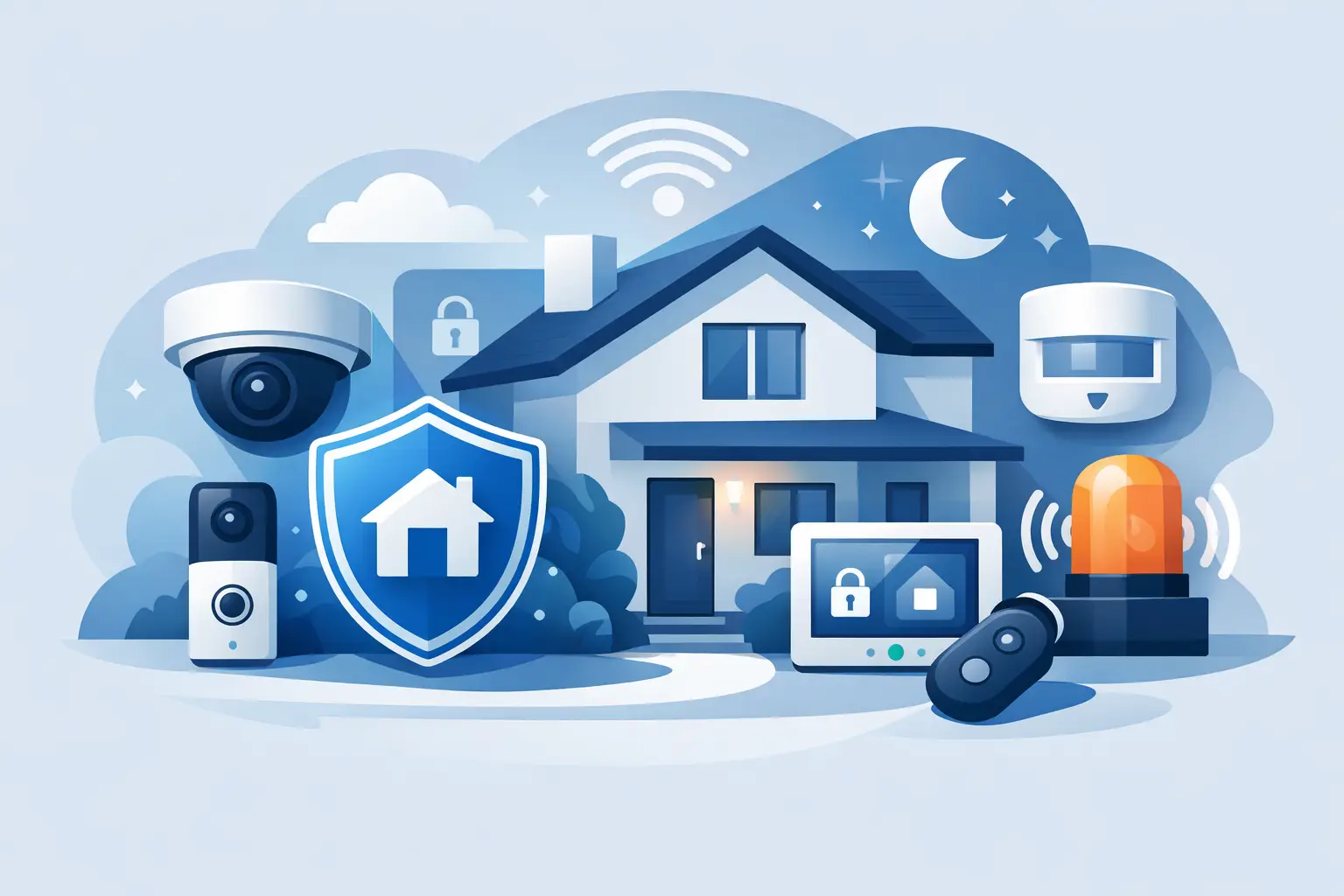
A smart security setup often goes beyond cameras. Door sensors, window sensors, motion detectors, glass-break sensors, and sirens create a more complete system.
This kind of setup is ideal if you want alerts the moment something changes, not just video after the fact. It also gives you more ways to automate your home. For example, a door opening can trigger hallway lights at night or send an instant alert while you are at work.
More home automation devices examples worth considering
Once the basics are covered, the next layer of home automation is about comfort and efficiency. These devices may not be the first thing people buy, but they often become favorites once they are part of the routine.
Robot vacuums
A robot vacuum is one of those upgrades that sounds optional until you use one regularly. Scheduled cleaning keeps floors in better shape with almost no effort, which is especially useful for pet owners, busy households, and anyone with hard floors throughout the home.
Higher-end models add mapping, room targeting, no-go zones, and self-emptying docks. The more advanced the features, the less daily involvement you need. For cluttered homes with lots of cords or uneven transitions, results can vary, so layout matters.
Smart air purifiers
Smart air purifiers bring wellness into the home automation category. App control, air quality monitoring, and automatic fan adjustments help keep indoor air cleaner without constant manual changes.
This is a strong fit for allergy season, pet households, urban apartments, and homes that run HVAC systems year-round. Smart features are helpful, but filter replacement costs should still be part of the decision.
Smart kitchen appliances
Connected coffee makers, air fryers, multicookers, and countertop appliances bring automation into daily meal routines. The appeal is speed and control. Starting a device remotely, getting alerts when cooking ends, or saving presets can make mornings and weeknights feel less rushed.
Not every kitchen appliance needs Wi-Fi, and that is where smart shopping matters. If a connected feature saves time you will actually notice, it is worth considering. If not, a standard appliance may be the better buy.
Smart blinds and shades
Smart blinds are a stylish upgrade that blends convenience with energy control. You can schedule them to open with sunrise, close for privacy in the evening, or adjust based on temperature and sunlight.
They feel premium because they affect the whole look of a space, not just its function. They also tend to cost more than entry-level smart devices, so they are usually a second-wave purchase rather than a starter item.
How to choose the right home automation devices examples
The easiest mistake is buying products one by one without checking compatibility. A smart home works best when your devices can share control through the same app ecosystem or voice platform. Before adding anything to your cart, think about whether you want one connected system or just a few standalone conveniences.
It also helps to prioritize by friction. Start with the thing that annoys you most in daily life. If you always forget lights, choose lighting. If security is the top priority, begin with locks, cameras, or a video doorbell. If comfort matters most, look at thermostats, air purifiers, or robot vacuums.
Budget matters, but so does effort. Some products are plug-and-play. Others take wiring, mounting, drilling, or ongoing subscriptions. A lower sticker price does not always mean the lower total cost. The best value usually comes from devices you will use constantly, not just admire for a week.
For shoppers building a modern home setup, the sweet spot is a mix of convenience, security, and everyday usefulness. That is what makes smart home tech feel less like a trend and more like a better way to live. GetTechShift reflects that shift well with products that fit real routines instead of turning your home into a complicated project.
If you are deciding where to begin, keep it simple. Choose one device that saves time, one that adds peace of mind, and one that makes your home feel a little more comfortable. That is usually all it takes to start building a smarter space that actually works for your life.