What Are Home Automation Devices?
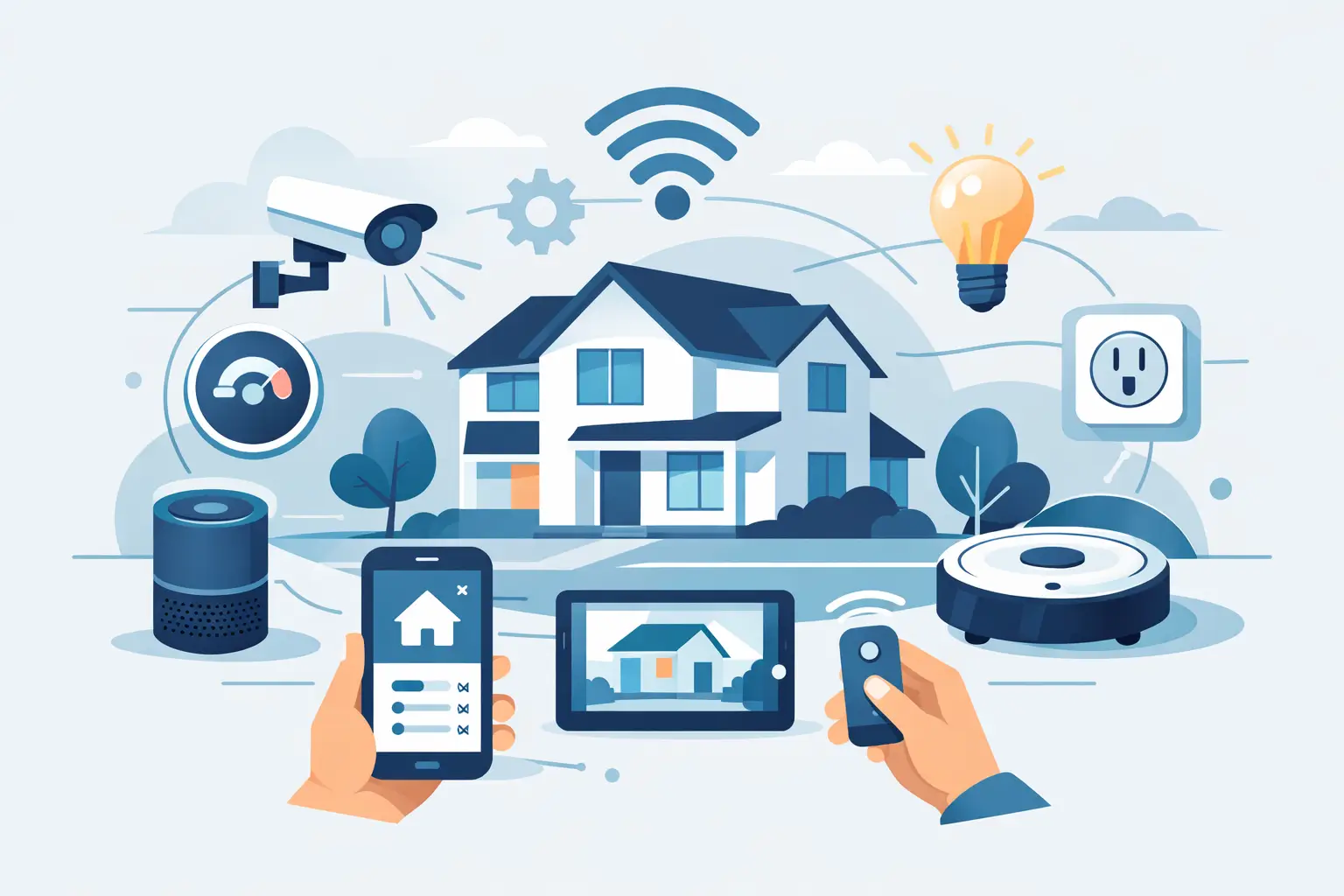
Picture your porch light turning on before you reach the front door, your thermostat adjusting before bedtime, and your camera sending an alert the second motion is detected. That is the practical answer to what are home automation devices – connected products that handle everyday tasks automatically or let you control them from your phone, voice assistant, or a central app.
For most households, home automation is not about building a futuristic showpiece. It is about saving time, adding convenience, tightening security, and making daily routines feel easier. The best part is that you do not need a huge budget or a tech-heavy setup to get started. A few well-chosen devices can make a real difference fast.
What are home automation devices and how do they work?
Home automation devices are electronics designed to automate actions inside or around your home. Some respond to schedules, some react to sensors, and others wait for a command from your phone or smart speaker. They connect through WiFi, Bluetooth, Zigbee, Z-Wave, Matter, or a mix of these standards depending on the product.
In simple terms, these devices take regular household functions and make them smarter. A traditional light turns on when you flip a switch. A smart light can turn on at sunset, dim for movie night, or switch off when nobody is in the room. A standard lock secures your door with a key. A smart lock can let in family members with a code, send access alerts, and lock itself after you leave.
Most home automation setups work in one of three ways. The first is direct control, where you open an app and tell a device what to do. The second is voice control through assistants like Alexa or Google Assistant. The third is automation, where one event triggers another. For example, a door sensor can trigger a hallway light, or a security camera can start recording when motion is detected.
The most common types of home automation devices
If you are shopping for your first smart home products, a few categories stand out because they deliver quick, obvious value.
Smart lighting
Smart bulbs, smart switches, and smart plugs are often the easiest place to begin. They let you control lights remotely, create schedules, and adjust brightness without rewiring your home. This can be useful for convenience, energy savings, and home security when you are away.
Smart plugs deserve extra attention because they can turn regular electronics into automated ones. A coffee maker, fan, lamp, or holiday light setup can all run on a timer or app control with a simple plug-in upgrade.
Smart security devices
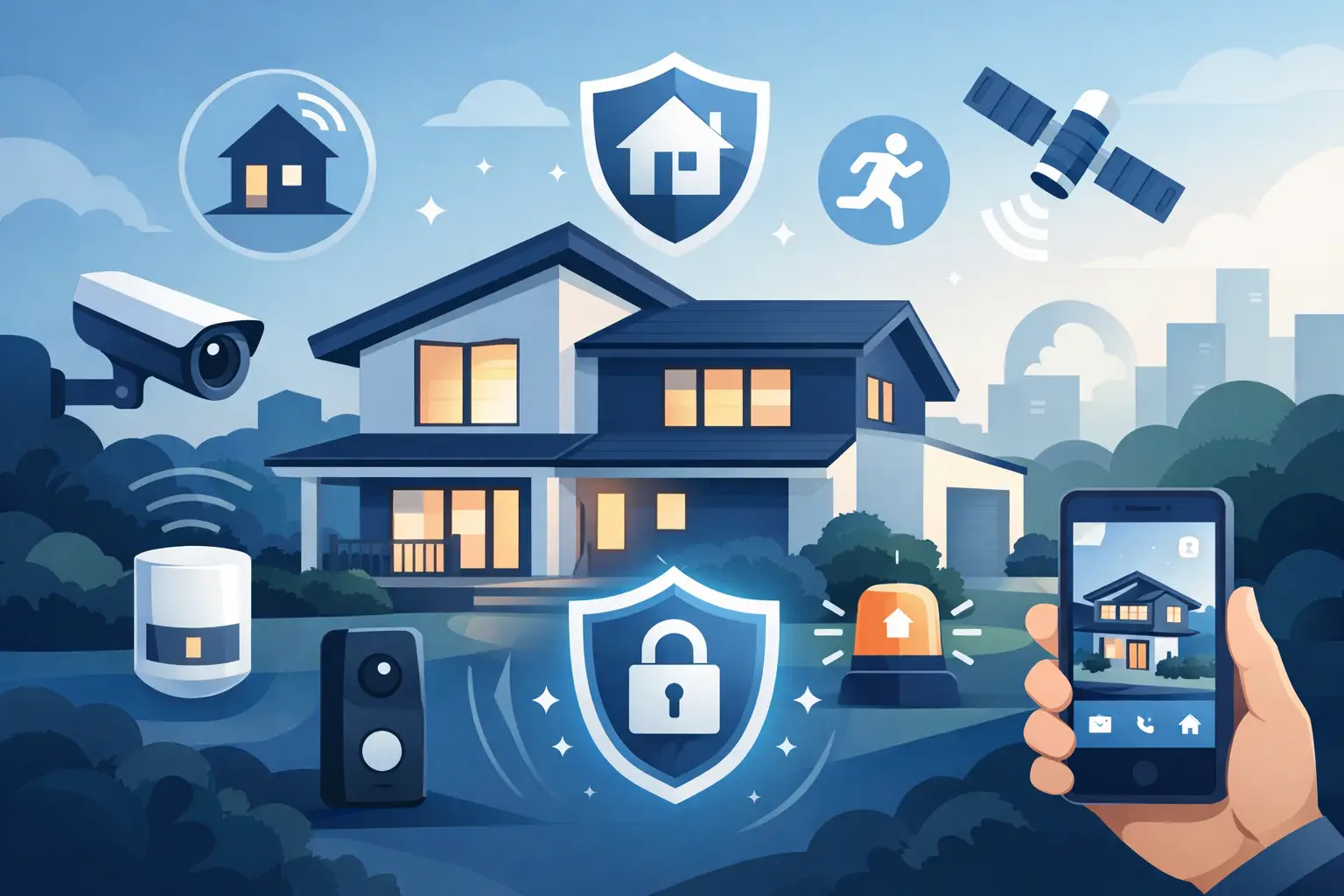
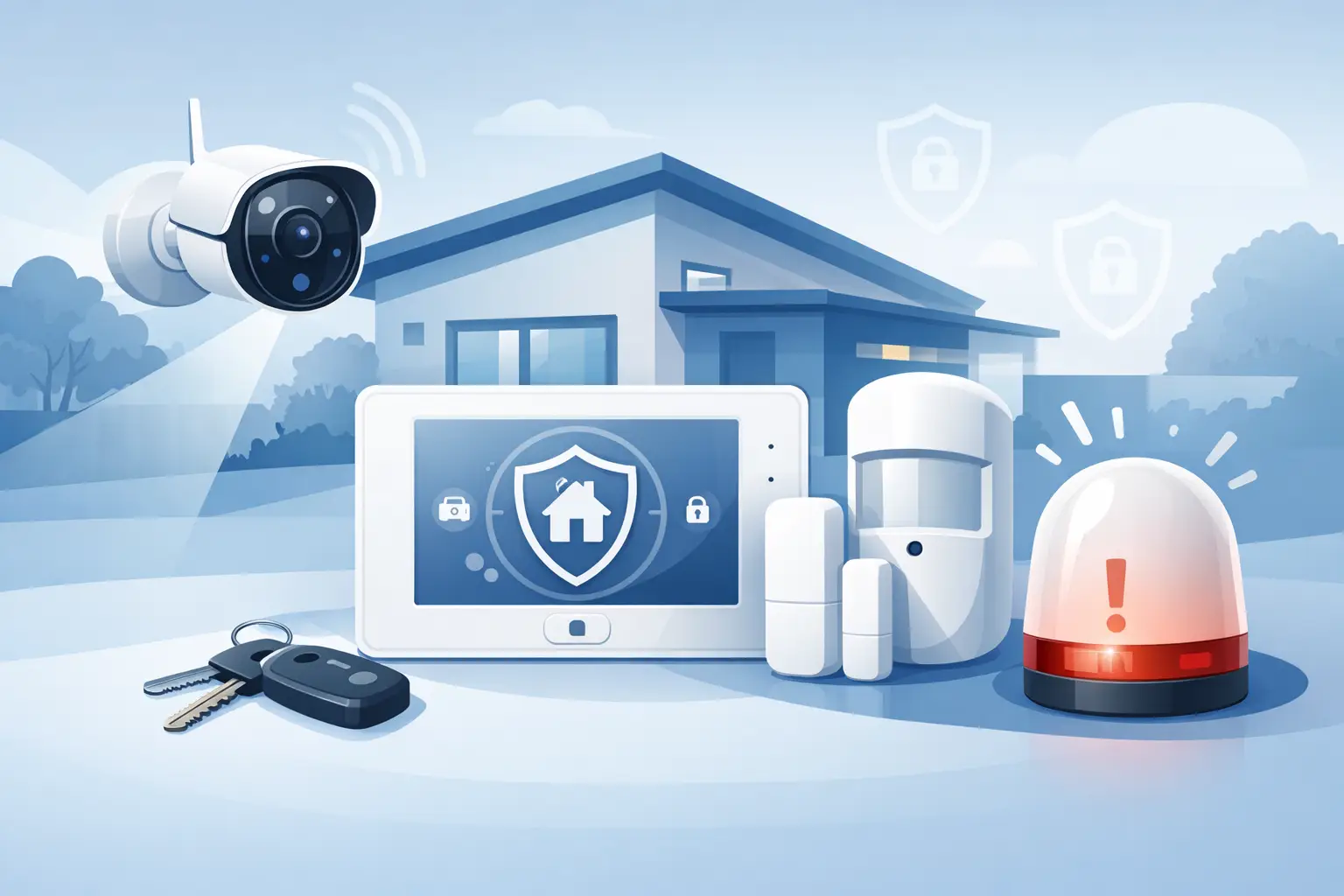
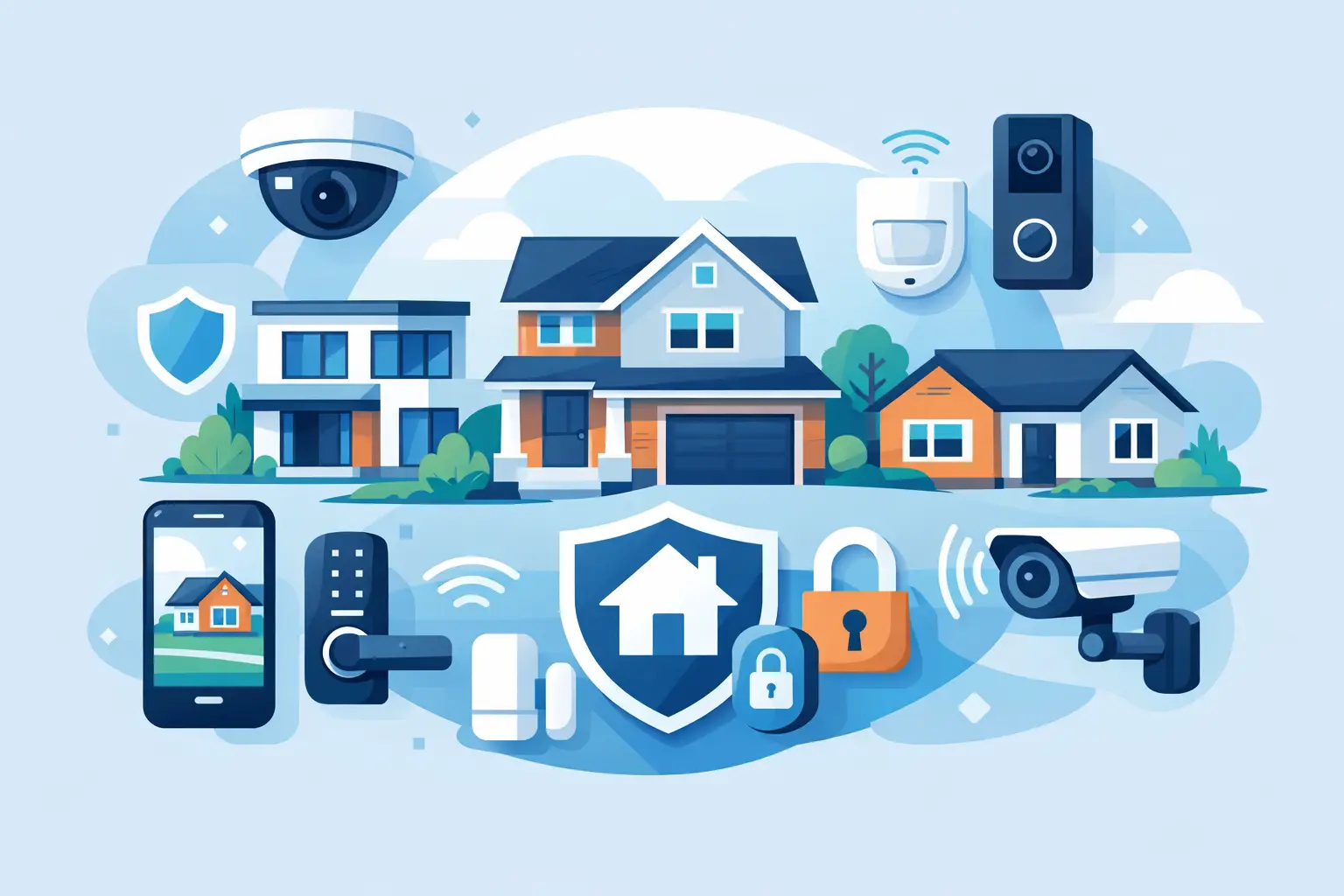
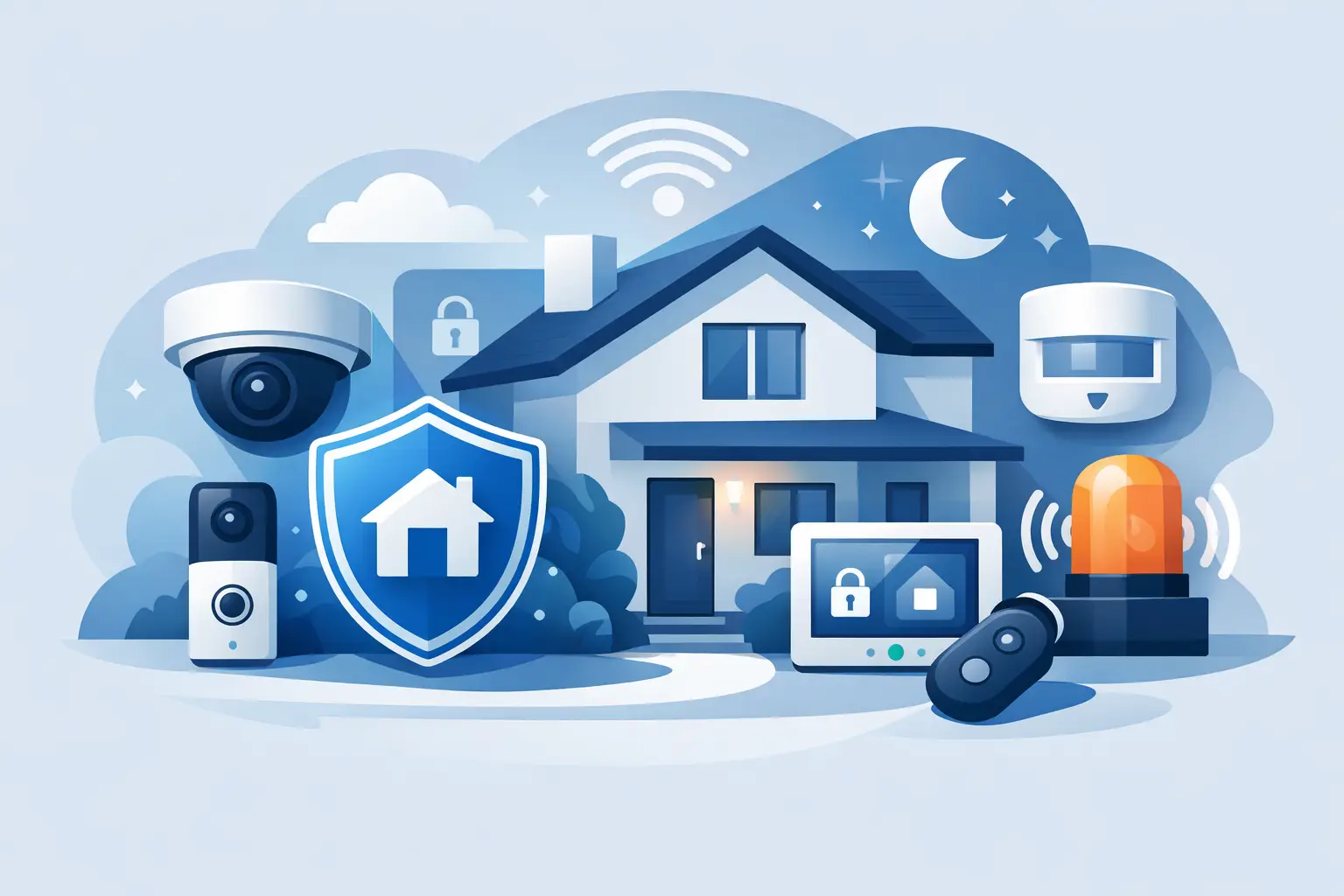
This is one of the fastest-growing areas in home tech because the benefits are easy to see. Video doorbells, surveillance cameras, motion sensors, alarm systems, and smart locks help you monitor entry points and respond faster when something looks off.
For families, renters, and homeowners alike, these devices add peace of mind without requiring a full professional installation. A video doorbell can show who is at the door. A smart lock can reduce the need for spare keys. A camera with motion alerts can help you check on deliveries, pets, or activity around your property.
Smart thermostats and climate control
Heating and cooling can be one of the biggest contributors to utility costs. Smart thermostats and connected climate devices help manage that more efficiently. They can follow schedules, adjust based on your habits, and let you make changes from your phone when plans shift.
Some homes also use smart air purifiers, fans, and humidifiers as part of a broader comfort setup. That is where home automation starts feeling less like a gadget category and more like a lifestyle upgrade.
Smart appliances and household helpers
Home automation now goes beyond lights and locks. Robot vacuums, app-controlled kitchen tools, connected mini fridges, and other home tech appliances fit into the same idea – reducing friction in your routine.
Not every connected appliance is essential, and that is worth saying clearly. Some are genuinely useful, while others are more about novelty. The right choice depends on your space, budget, and how often the feature solves a real problem.
Why people buy home automation devices
The appeal usually comes down to four things: convenience, security, energy control, and comfort.
Convenience is the biggest draw for many shoppers. Being able to check your front door, turn off lights from bed, or run devices on a schedule feels small at first, then quickly becomes part of your normal routine. Once you stop having to think about those little tasks, it is hard to go back.
Security is a close second. Smart cameras, alarms, sensors, and locks help you stay connected to your home whether you are at work, on vacation, or just upstairs. Real-time alerts can help you react faster, and visible devices can also act as a deterrent.
Energy use matters too. Smart lighting and thermostats can reduce wasted electricity when they are set up well. That does not mean every smart product lowers bills automatically, but automation can definitely help you use devices more intentionally.
Then there is comfort. A house that adjusts lighting, temperature, and access around your schedule simply feels easier to live in. That is the lifestyle side of smart home tech, and it is a big reason people keep expanding their setup over time.
What to look for before you buy
Not all home automation devices play nicely together, so compatibility should be your first check. Before adding anything to your cart, think about the system you want to build around. If you already use Alexa, Google Home, or Apple Home, make sure the product supports it. If you plan to mix brands, Matter-compatible devices can make that easier.
You should also think about installation. Some products are plug-and-play, while others may need batteries, mounting, wiring, or a separate hub. There is nothing wrong with either approach, but the right fit depends on how hands-on you want to be.
Privacy is another real consideration. Cameras, microphones, and connected locks collect sensitive information. Look for features like two-factor authentication, encrypted connections, and clear app settings. Smart convenience should not come at the cost of basic digital security.
Finally, consider your internet setup. Many smart devices rely on strong WiFi. If your signal drops in parts of the house, you may need a better router or mesh system to get consistent performance.
Are home automation devices worth it?
Usually, yes – if you buy with a purpose.
The strongest smart home setups are built around specific needs, not random impulse purchases. If you want better front-door security, a video doorbell and smart lock make sense. If you forget lights, smart bulbs or plugs are practical. If you travel often, cameras and sensors can be a smart move. The value goes up when the device solves a recurring problem.
Where people get disappointed is when they expect every connected product to be life-changing. Some are great daily tools. Others are fun but unnecessary. It depends on your routine, your home, and how much automation you will actually use.
A smart way to start building your setup
If you are new to this category, start small and choose products that fit naturally into your routine. One smart lock, one camera, or a few smart plugs can teach you what you like without overcomplicating your home. From there, you can layer in more devices and build simple automations that connect them.
A lot of shoppers find that security products are the easiest entry point because the payoff is immediate. Others start with lighting because it is affordable and easy to install. There is no single right path. The best setup is the one that feels useful on day one and still fits your lifestyle six months later.
For shoppers who want modern tech without making it feel intimidating, brands like GetTechShift make the category easier to browse by combining smart security, home electronics, and everyday lifestyle upgrades in one place. That matters when you are comparing options and trying to build a connected home that feels practical, not overly technical.
Home automation works best when it feels less like a project and more like a better way to live at home. Start with one friction point in your day, fix that first, and let your setup grow from there.